What is Fast Fashion ?
Fast fashion is a term that has become increasingly common over the last two decades, especially in discussions about the
clothing industry, environmental sustainability, and consumer behavior. At its core, fast fashion refers to a business model
where clothing brands produce inexpensive, trendy garments quickly to meet consumer demand. These clothes are often
inspired by runway trends or celebrity styles and are made available to the public in a matter of weeks. The primary goal is
to get the latest designs into stores as quickly and cheaply as possible, encouraging consumers to buy more frequently and
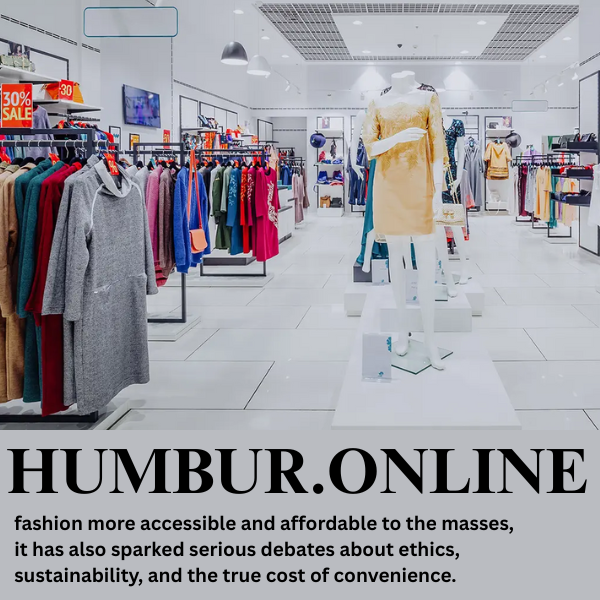
replace clothing regularly. While this model has made fashion more accessible and affordable to the masses, it has also
sparked serious debates about ethics, sustainability, and the true cost of convenience.
The concept of fast fashion took off in the late 1990s and early 2000s, as brands like Zara, H&M, and Forever 21 transformed
the retail landscape. Traditionally, fashion operated on two main seasons: spring/summer and fall/winter. Designers would
create collections months in advance, and consumers would wait patiently for new releases. Fast fashion disrupted this model
by introducing new collections every few weeks, making it possible for shoppers to find something “new” almost every time they
walked into a store. This change didn’t just redefine how consumers shop; it restructured the entire fashion supply chain, from
design and manufacturing to marketing and sales.
One of the key characteristics of fast fashion is its rapid production cycle. Clothes are designed, manufactured, and delivered to
stores in record time. This is made possible by outsourcing labor to developing countries where production costs are low, and labor
regulations are often lax. Factories in countries like Bangladesh, India, Vietnam, and China produce massive quantities of garments
at breakneck speed, often under poor working conditions and for minimal wages. These labor practices raise significant ethical concerns,
especially when factory workers many of whom are women and even children are subjected to long hours, unsafe environments,
and inadequate compensation.
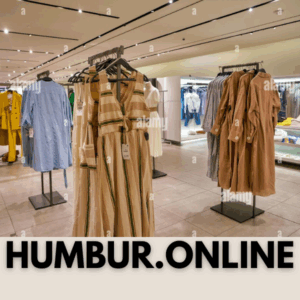
In addition to the ethical issues, fast fashion has a devastating impact on the environment. The industry is one of the largest polluters
in the world, contributing to water pollution, greenhouse gas emissions, and textile waste. For example, the dyeing and treatment of fabrics
use enormous amounts of water and release toxic chemicals into rivers and streams, harming aquatic life and contaminating local water supplies.
Synthetic fibers like polyester, commonly used in fast fashion, are made from fossil fuels and take hundreds of years to decompose in landfills.
Every year, millions of tons of clothing are thrown away, much of it barely worn, fueling a cycle of waste that’s unsustainable for the planet.
Another environmental consequence is the overconsumption of natural resources. To produce cotton garments, for instance, vast quantities
of water and pesticides are used, leading to soil degradation and biodiversity loss. The pressure to keep costs low also means corners are often
cut during production, resulting in poor quality clothing that doesn’t last. As a result, garments fall apart quickly or go out of style
within weeks, prompting consumers to discard them and buy more. This throwaway culture is at the heart of the fast fashion model
and is one of the biggest challenges to achieving sustainability in the industry.
Fast fashion also affects consumer behavior in profound ways. It promotes a mindset of instant gratification and disposability.
When clothes are so cheap and abundant, it becomes easy to see them as temporary or replaceable. This has led to the rise of
“haul culture,” where people buy large quantities of clothing in one go, often just to post about it on social media. Shopping has
become a form of entertainment, rather than a thoughtful act of need or personal expression. Unfortunately, this mindset contributes
to a disconnect between consumers and the true value of the products they purchase, making it harder for people to appreciate quality,
craftsmanship, and ethical production.
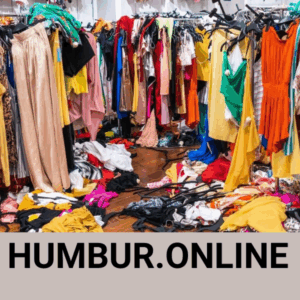
Despite its many downsides, fast fashion continues to thrive because it aligns perfectly with modern lifestyles. People today want
convenience, variety, and affordability, and fast fashion delivers all three. It allows consumers to experiment with trends without
committing to expensive purchases. It also offers the thrill of shopping without the guilt of overspending. For young people, especially
those on tight budgets, fast fashion provides a way to keep up with styles and express themselves through clothing. Retailers capitalize
on this by using aggressive marketing tactics, influencer partnerships, and constant product rotation to keep consumers engaged.
However, a growing movement is pushing back against fast fashion and advocating for more sustainable alternatives. The slow fashion
movement encourages consumers to buy less, choose quality over quantity, and support brands that prioritize ethical labor and environmentally
friendly practices. This can include buying from local designers, choosing organic or recycled materials, shopping secondhand, or simply repairing
and reusing clothing instead of throwing it away. Social media campaigns, documentaries, and public awareness efforts are helping to educate
people about the hidden costs of fast fashion and empowering them to make more conscious choices.
In recent years, some fast fashion brands have attempted to respond to criticism by launching “sustainable” collections or recycling programs.
While these initiatives can be a step in the right direction, critics argue that they often amount to greenwashing marketing tactics designed to
make companies appear environmentally responsible without making meaningful changes to their business models. True sustainability requires
a fundamental shift in how fashion is produced and consumed, not just token gestures or eco-friendly labels. As long as companies continue to
churn out millions of garments each year and encourage mass consumption, the core issues of fast fashion will persist.
Ultimately, the question of what to do about fast fashion comes down to values and priorities. Are we willing to pay more for clothing that
is ethically made and environmentally sustainable? Can we shift our habits away from impulse buying and towards mindful consumption?
These are not easy changes to make, especially in a world that constantly bombards us with advertising and encourages us to define ourselves
through what we wear. But as awareness grows and more people begin to question the status quo, there is hope that the fashion industry can
evolve into something more responsible and respectful to both people and the planet.

In conclusion, fast fashion is a complex and controversial industry that reflects many of the challenges of our modern world.
It offers convenience, affordability, and style, but at a significant cost to human rights and the environment. Understanding
what fast fashion is and what it entails is the first step toward making better choices as consumers. By becoming more informed
and intentional in our shopping habits, we can contribute to a fashion culture that values sustainability, fairness, and long term
thinking over short-lived trends and instant gratification.
Post Views: 37