
How Does Fast Fashion Affect the Environment?
Fast Fashion Affect the Environment?
Fast fashion refers to the rapid production of cheap, trendy clothing that mirrors the latest runway styles. While it may seem appealing for its affordability and convenience, fast fashion has a significant and damaging impact on the environment. Here’s a to the point breakdown of how:
1. Massive Water Consumption
Producing textiles especially cotton uses enormous amounts of water. For instance, making one cotton shirt can require over 2,700 liters of water, equivalent to what one person drinks in 2.5 years. Dyeing and processing also consume vast quantities of water, placing stress on freshwater supplies in already water-scarce regions.
2. Toxic Chemical Pollution
To achieve vibrant colors and finishes, fast fashion factories use toxic dyes and chemicals. These are often dumped untreated into rivers, polluting water bodies and harming aquatic life. The textile industry is responsible for approximately 20% of global industrial water pollution.

3. Synthetic Fiber Waste
Many fast fashion items are made from synthetic fibers like polyester, nylon, and acrylic. These are essentially forms of plastic. When washed, they shed microplastics into waterways. These tiny particles are nearly impossible to remove and can enter the food chain, affecting marine and human life.
4. Greenhouse Gas Emissions
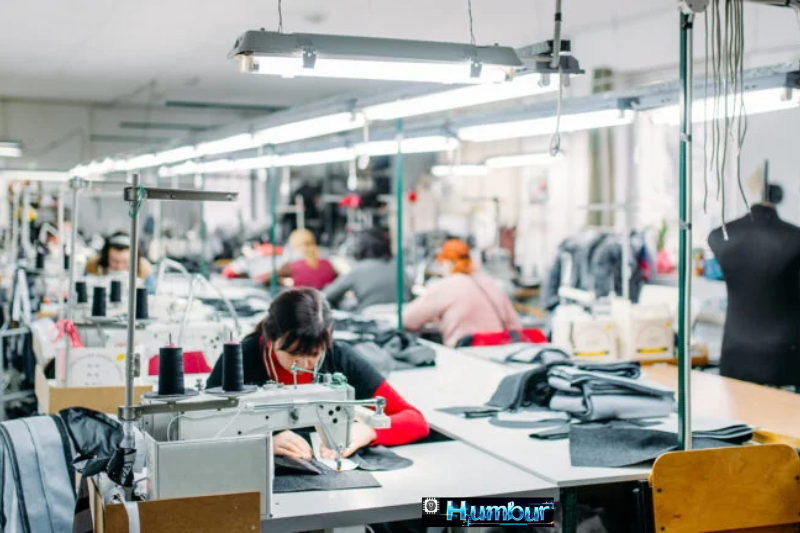
The production, transportation, and disposal of fast fashion garments contribute significantly to carbon emissions. Polyester production alone emits nearly three times more CO₂ than cotton. The fashion industry accounts for around 10% of global carbon emissions, more than international flights and maritime shipping combined.
5. Landfill Overload
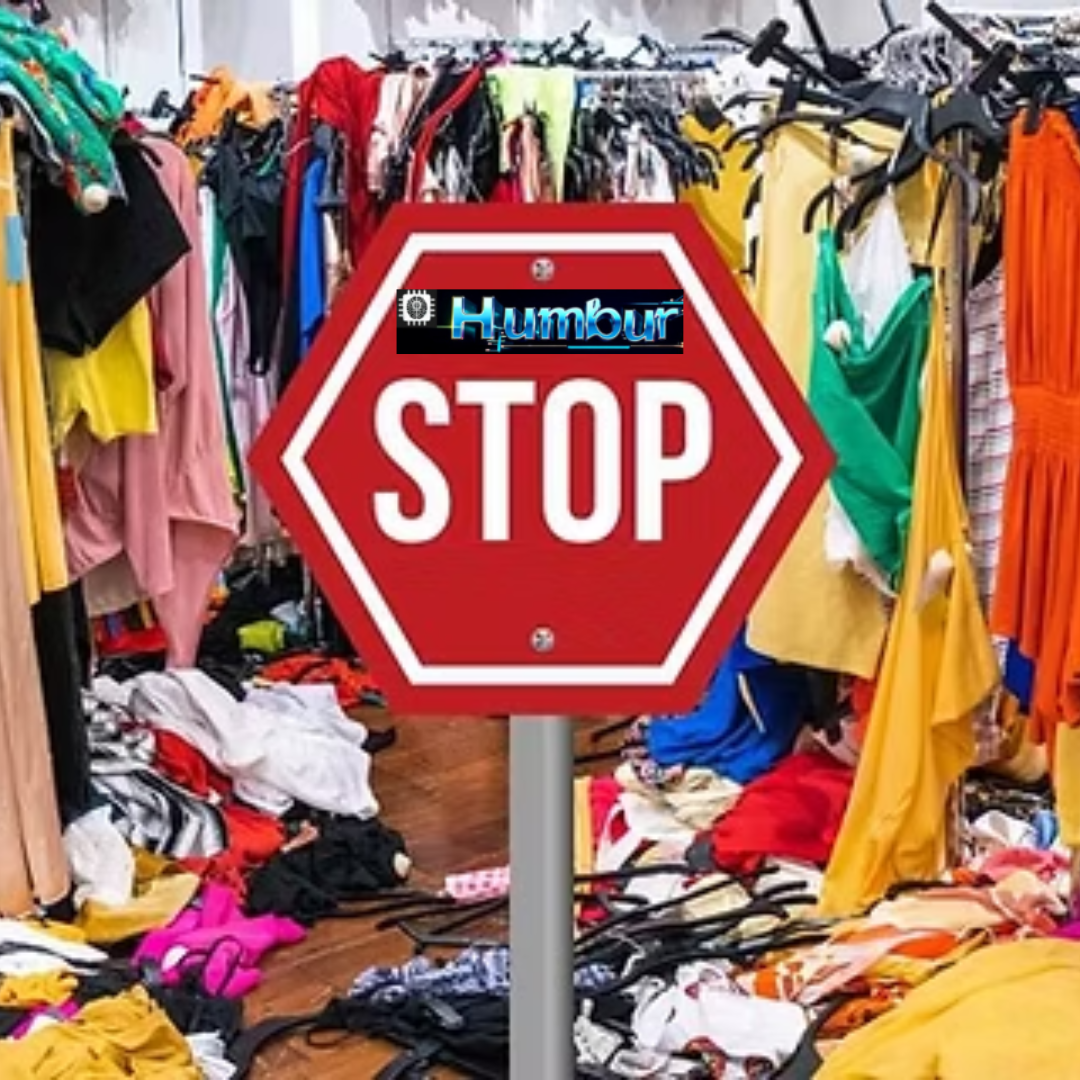
Fast fashion encourages frequent purchasing and quick disposal. As a result, millions of tons of clothing are thrown away each year. Most of it ends up in landfills or is incinerated. In fact, it’s estimated that a garbage truck of textiles is landfilled or burned every second globally.
6. Deforestation and Loss of Biodiversity
To make room for fiber crops and grazing land for animals like sheep (for wool), forests are cleared, leading to habitat loss and biodiversity decline. Additionally, toxic runoff from manufacturing contaminates soil and affects surrounding ecosystems. Fast Fashion Affect the Environment
7. Overproduction and Waste
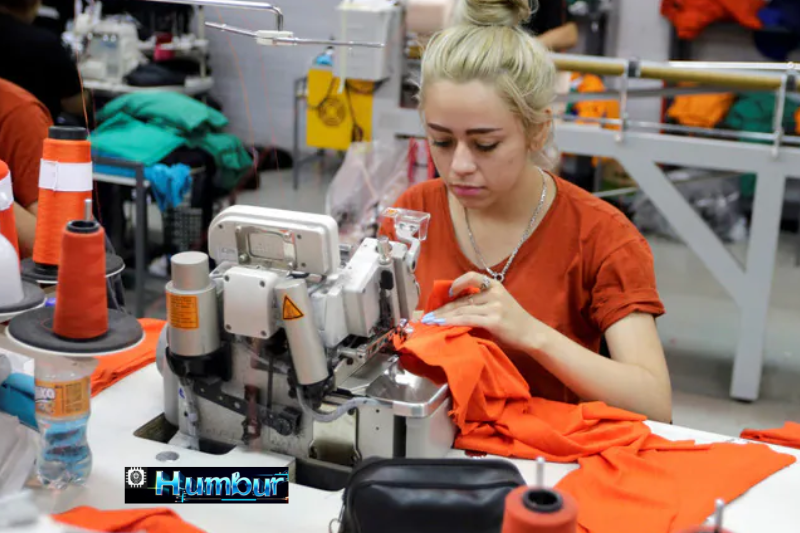
Fast fashion thrives on overproduction. Brands release dozens of collections annually, flooding the market with cheap garments that are often never sold or used. Unsold stock is sometimes burned or destroyed, leading to further environmental damage.
Conclusion
Fast fashion’s environmental footprint is vast and destructive. From water depletion and toxic waste to carbon emissions and synthetic pollution, the industry is harming the planet at multiple levels. A shift toward sustainable fashion buying less, choosing better quality, and recycling can help reduce these impacts and promote a healthier environment.
Deforestation and Biodiversity Loss in Fashion.


You May Also Like

Why is Fast Fashion Bad?

American Fashion Brands