AI vs Humanity:Who’s Really in Control?
Introduction: AI vs Humanity A Modern Dilemma
In the 21st century, AI vs Humanity:Who’s Really in Control , artificial intelligence is no longer a distant dream of science fiction it’s an everyday reality shaping our work, communication, and even creativity. However, with each algorithm that automates a task and each machine that “learns” from our data, we are haunted by the question: AI or humans?

The Rise of Artificial Intelligence
AI has been around in some form since the mid 20th century, but the last two decades have transformed it from clunky experimental programs into systems capable of performing complex human tasks. AI is everywhere we look, from Alexa and Siri to self driving cars and predictive analytics. It’s fast, efficient, and often better than humans at repetitive or data-heavy jobs.

The Illusion of Control
Perception of Authority Many people feel they are still in charge after all, we create the algorithms, don’t we? But the truth is, most of us don’t truly understand how these algorithms work. Once a deep learning model starts training on massive amounts of data, it can evolve patterns and behaviors that even its creators struggle to explain. In some cases, AI has surprised its makers with unexpected solutions or strategies that defy human logic.

Data: The New Currency of Power
What really fuels AI is data our data. Every time we swipe our phones, post a photo, or click ‘like’, we feed the digital beast. In turn, AI systems learn about our habits, preferences, weaknesses, and desires. This knowledge gives corporations and governments immense power to predict, influence, and even manipulate our choices.
Automation: Who Benefits?
One of AI’s promises is to free humans from boring, repetitive tasks so we can focus on creative and meaningful work. But reality paints a mixed picture. Automation has brought productivity gains for companies but has also displaced millions of workers worldwide. The fear of AI taking jobs is real, particularly in industries like manufacturing, customer service, transportation, and even white collar fields like law and journalism.

Creativity and AI: A Shared Canvas
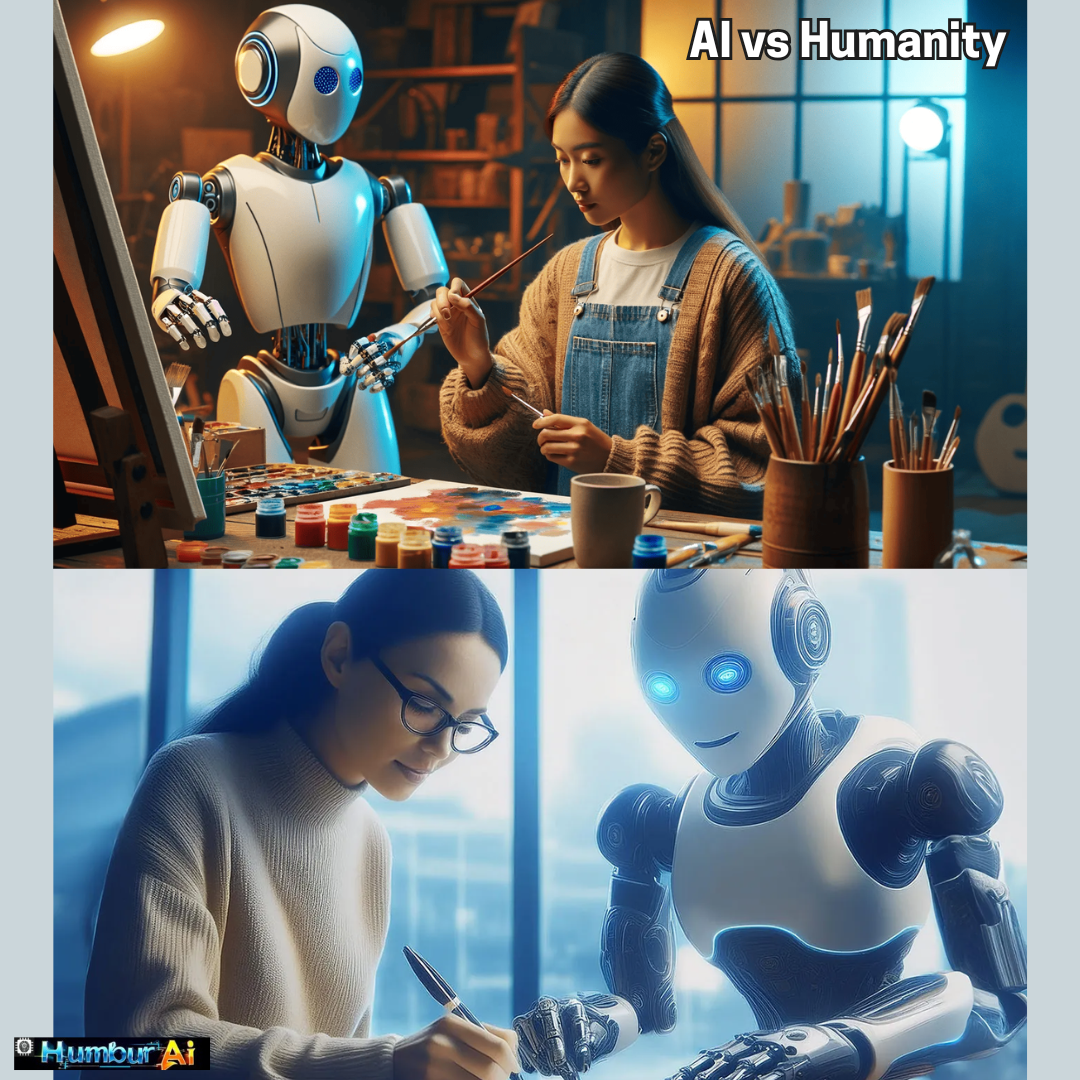
Many believed that creativity would be the last frontier where humans reign supreme. Yet, today’s AI systems write poetry, compose symphonies, generate artwork, and even design buildings. Tools like ChatGPT, Midjourney, and other generative AI models push the boundaries of what machines can ‘create’. Are these outputs truly creative? Or are they just sophisticated mimicry based on human inputs?
Ethics: The Human Responsibility
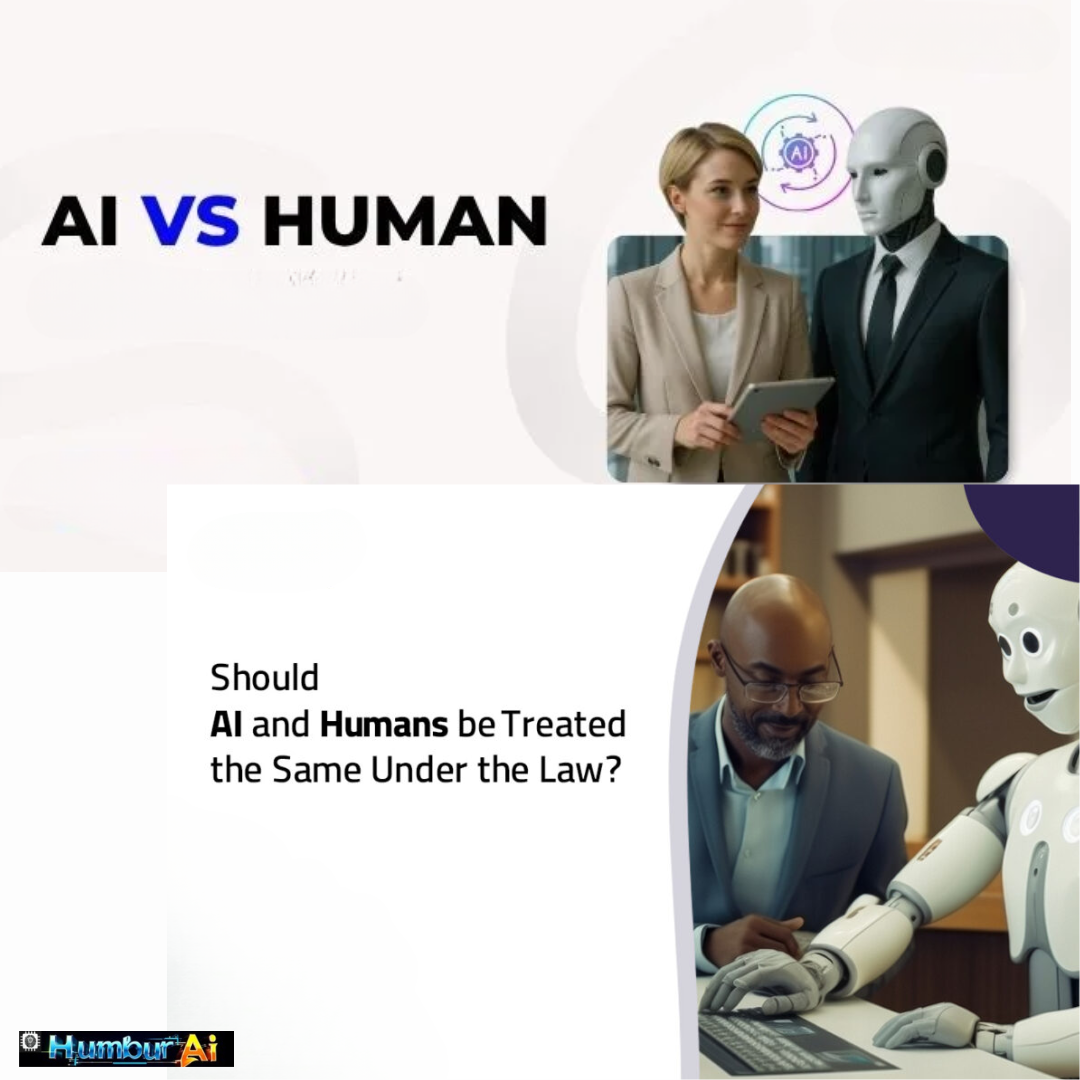
No matter how smart AI becomes, it lacks consciousness and moral judgment. This means the ethical use of AI lies firmly in human hands. Issues like deepfakes, bias in facial recognition, predictive policing, and autonomous weapons are urgent reminders that without ethical oversight, AI can become a tool for harm. But are we doing enough to set boundaries before the technology races ahead of regulation?

The Black Box Problem
One of the greatest challenges in AI governance is the ‘black box’ problem. Many advanced AI models are so complex that even their creators can’t fully explain how they reach certain decisions. This lack of transparency makes it difficult to hold AI systems accountable, especially when they make errors that affect people’s lives, such as loan approvals, hiring, or criminal sentencing.
Are We Becoming Dependent?
Are We Getting Relying on Others? Our reliance on AI is growing deeper every year. We use GPS to navigate, AI-powered search engines to find information, and recommendation algorithms to decide what to watch, read, or buy. This convenience comes at a cost: we risk losing certain skills and independent thinking. Are we willingly handing over control for the sake of ease?

Who Holds the Reins?
So, who’s really in control? AI is technically just a tool; it has no goals or desires. Humans design, train, and deploy it. But the reality is that the people and organizations who own and control AI systems hold unprecedented power. Google, Amazon, Meta, and OpenAI are big tech companies that have access to a lot of data and the most advanced AI capabilities. On the other hand, everyday users have very little control over how these systems affect their lives.
The Role of Governments and Regulation
In an effort to keep up with the rapid pace of AI innovation, governments around the world are scrambling. While some nations are working on laws to safeguard data privacy, prevent algorithmic discrimination, and guarantee transparency, others have proposed AI ethics guidelines. But technology often outpaces policy, and global cooperation is complicated. Without effective regulation, AI could deepen inequality and create new forms of social control.
Can We Build Human Centric AI?
There is hope in the growing movement for ‘human-centered AI’. This approach emphasizes transparency, fairness, accountability, and the idea that technology should augment human potential rather than replace it. Ethical AI frameworks encourage programmers to create systems that promote human well being and respect human rights.
Preparing for an AI Integrated Future
To truly stay in control, we need to invest in education and AI literacy. Understanding how algorithms work, questioning how our data is used, and developing critical thinking are essential skills for the future. We must also push for policies that protect workers whose jobs are at risk from automation and ensure that AI benefits society as a whole, not just a privileged few.

The Human Edge: Empathy and Wisdom
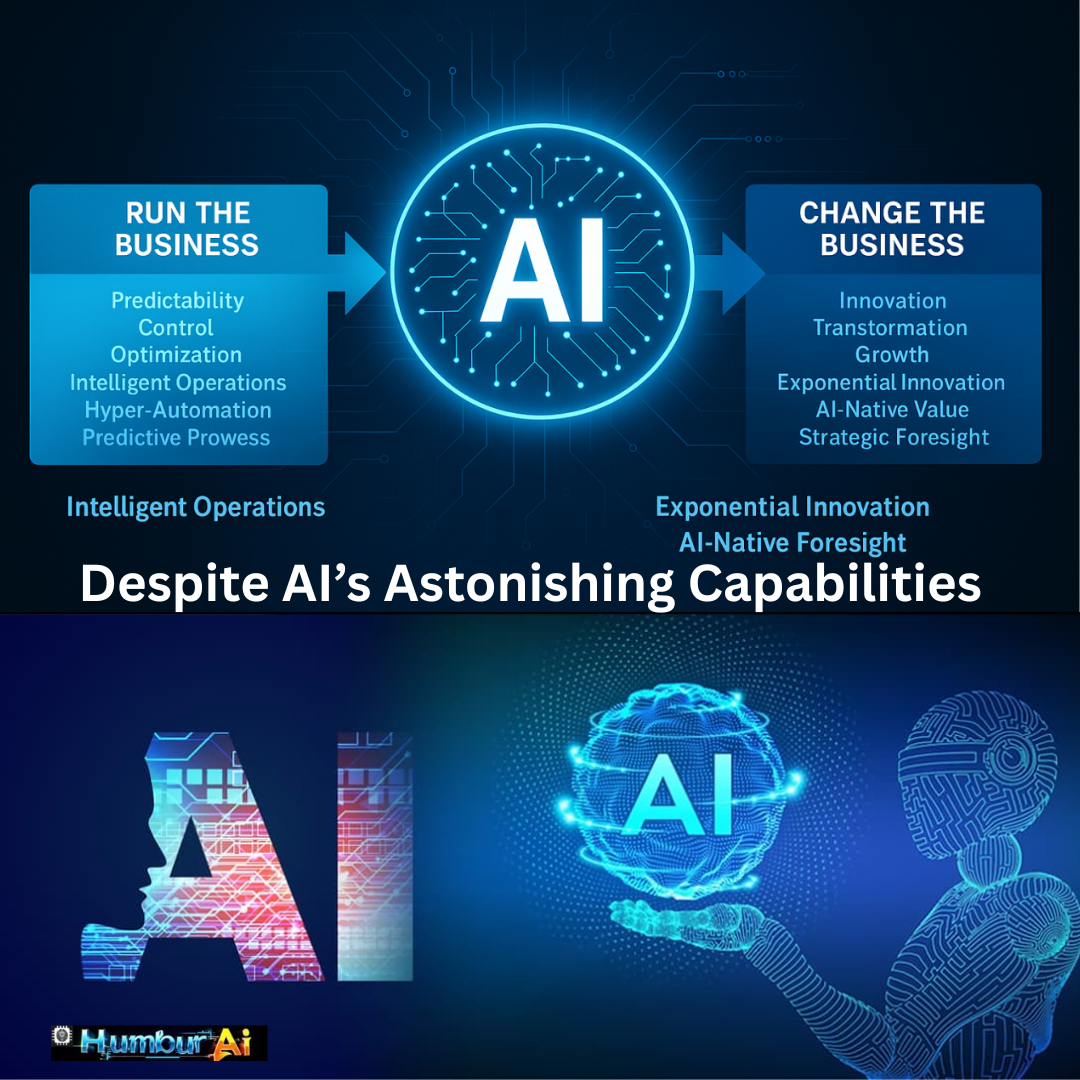
Despite AI’s astonishing capabilities, there are qualities it cannot replicate yet. Human empathy, emotional intelligence, moral reasoning, and the ability to understand context and nuance remain beyond the reach of machines. These human traits are our greatest strengths and should guide how we deploy AI in our lives.
A Shared Responsibility
In the end, the answer to “Who’s really in control?” is complicated AI does not ‘control’ us in the way science fiction warns but it does shape our behavior, choices, and even our future. The real question is whether we, as a global society, have the foresight and will to direct the creation and application of AI. We stand at a crossroads where our choices will determine whether AI becomes a force that empowers humanity or one that erodes our agency. It’s not a battle between humans and machines.


You May Also Like

The Gift of the Magi

Google Veo 3 vs. Hailuo AI Which Stole Hollywood’s Crown in 2025?”