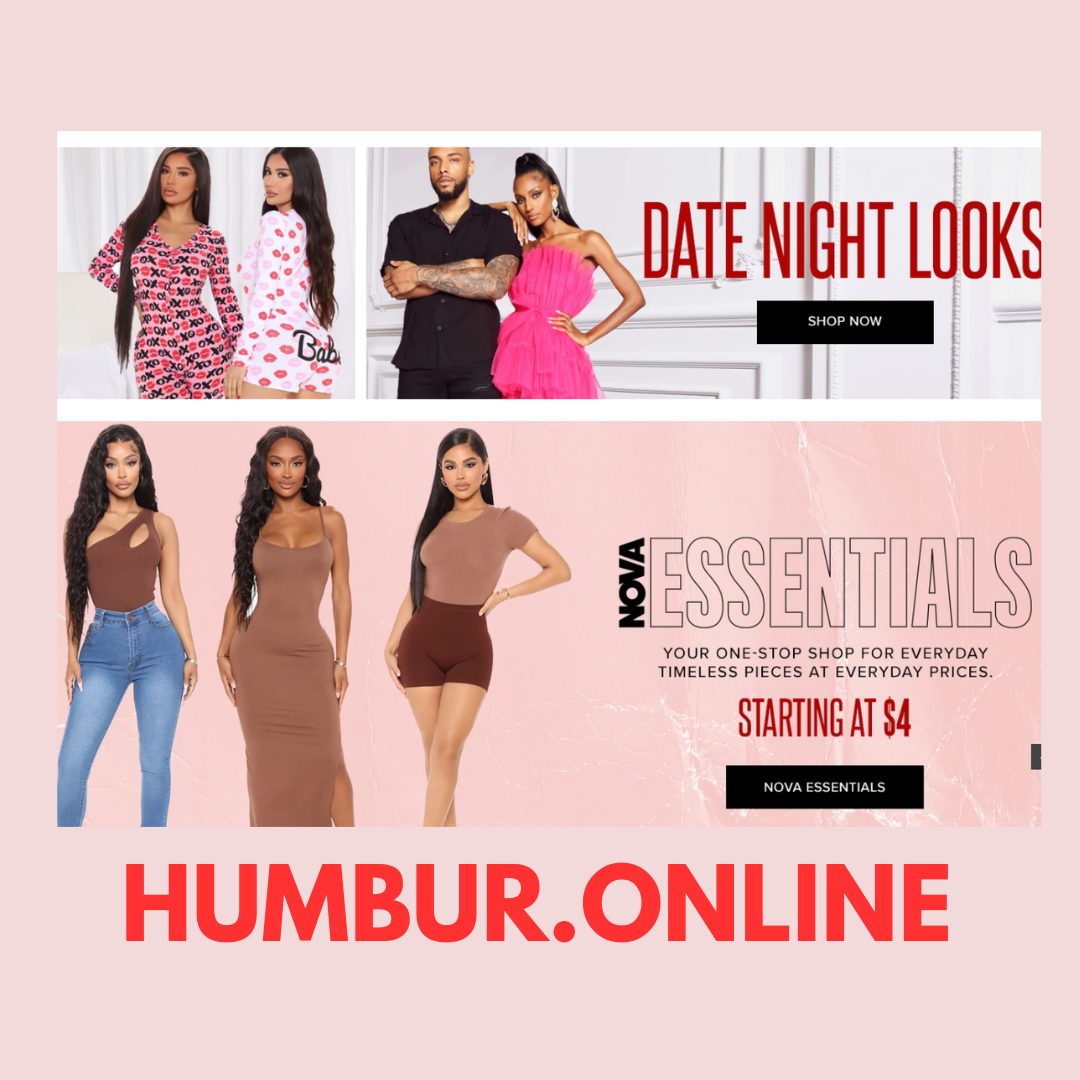
About The Fashion Industry

About The Fashion Industry

About the Fashion Industry: Behind the Seams of a Global Giant
Fashion is not just about clothes; it’s a language, a cultural force, and a multi trillion dollar global industry that influences how we see ourselves and others.
From the fabric mills in Italy to bustling fashion streets in Tokyo, from the couture houses of Paris to the fast fashion factories in Bangladesh, the fashion
industry touches every continent and reflects every culture. But what really goes on behind the seams? Let’s pull back the curtain and take a deeper look.
A Glimpse into the History of Fashion : About The Fashion Industry
To truly understand fashion today, we need to start at the beginning. Historically, clothing began as a necessity protection from the elements
and a marker of social status. In ancient civilizations, fashion indicated everything from wealth to marital status. As time evolved, so did the
meaning of clothing. The 20th century saw fashion explode into a global phenomenon. Coco Chanel gave women freedom from corsets. Christian
Dior introduced the “New Look” in 1947, redefining femininity. The rise of ready to wear in the 1960s brought fashion to the masses, and by the
1990s, fast fashion giants like Zara and H&M were revolutionizing the speed and accessibility of style.
Today, fashion is not just for the elite or the rich. It’s for everyone. It’s not only sewn in Paris ateliers or Milan factories
it’s shaped on Instagram, stitched in street culture, and worn proudly in small towns and big cities alike.

The Main Segments of the Fashion Industry : About The Fashion Industry
The fashion industry is a sprawling empire with multiple sectors working in sync. Here are the core divisions that keep the industry running:
1. Design
This is where creativity is born. Fashion designers sketch concepts, test fabrics, and decide what colors and silhouettes will define the next season.
While many think of luxury names like Gucci or Versace, there are countless smaller labels and independent designers contributing to the global fashion narrative.
2. Manufacturing
Once designs are finalized, they go into production. This is often the part of the industry most hidden from the public eye. Factories in countries like China,
Bangladesh, Vietnam, and India handle mass production. Issues like worker safety, fair wages, and sustainability have sparked intense debates in this sector.
3. Distribution & Retail
Whether you buy clothes from a glossy boutique or a budget online store, the product has passed through a vast supply chain.
Logistics, storage, pricing, and presentation are key here. Retail can be physical (brick and mortar stores) or digital (e-commerce platforms).
4. Marketing & Media
Fashion isn’t just made it’s sold through dreams. That’s where marketing comes in. From runway shows and influencer partnerships to magazine
spreads and TikTok reels, fashion is constantly promoted to entice the consumer. This segment plays a major role in defining trends and consumer behavior.
5. Consumer
Let’s not forget the final piece of the puzzle you, the buyer. Your preferences, spending habits, and social values all
shape the future of fashion. What you choose to wear or avoid speaks volumes about your identity and beliefs.
Fashion as a Cultural Statement : About The Fashion Industry
One of the most powerful aspects of fashion is its role as a cultural mirror. Clothes have always been
used to express who we are our background, beliefs, affiliations, and even rebellions. For instance:
Punk fashion in the 1970s was not just about ripped jeans and mohawks it was anti establishment in textile form.
Hip hop fashion reflected the rise of urban culture and empowerment in the 1980s and 90s.
Modest fashion has allowed individuals from different faiths and cultural backgrounds to participate in style without compromising their beliefs.
From LGBTQ+ pride colors to Black Lives Matter slogans on T shirts, fashion is a way of speaking when words aren’t enough.

The Rise of Sustainable Fashion : About The Fashion Industry
In recent years, the industry has faced increasing scrutiny for its environmental impact. The fashion world is responsible for approximately 10% of global carbon emissions and ranks as one of the biggest polluters of water bodies due to dyeing processes. Fast fashion’s disposable mindset buy cheap, wear once, throw away has also led to a textile waste crisis.
However, there’s a rising movement fighting back: sustainable fashion.
Brands are now using organic or recycled materials.
New business models such as clothing rental, resale, and upcycling are gaining popularity.
Designers are creating collections with a zero waste mindset.
Consumers are becoming more conscious and are asking the tough questions: “Who made my clothes?” and “What’s the true cost of this T-shirt?”
The green revolution in fashion isn’t just a trend it’s a necessity. If fashion wants to continue thriving, it must align with the planet.
The Influence of Technology on Fashion : About The Fashion Industry
Technology is reshaping every stitch of the fashion industry.
Artificial Intelligence (AI) is now used to predict trends, manage inventory, and even design collections.
Virtual fitting rooms are making online shopping more accurate.
3D printing is enabling designers to create complex pieces without traditional machinery.
Augmented Reality (AR) lets users try on clothes digitally, creating immersive experiences for buyers.
Blockchain is being explored for supply chain transparency and to verify the authenticity of luxury goods.
The blend of fashion and tech has given rise to “phygital” fashion physical meets digital. In the future, we may
wear garments that exist only in virtual spaces, like video games or the metaverse.
Fashion Week: Where Trends Are Born : About The Fashion Industry
Fashion weeks are the Oscars of the fashion world. Held in major cities like New York, Paris, Milan, and London, these week long events set the tone
for upcoming trends. Designers showcase their latest collections, celebrities and influencers flood the front rows, and fashion media captures every moment.
Beyond the glam, fashion weeks are critical business platforms. Orders are placed, collaborations are formed, and global press attention is secured.
Recently, there’s been a push for more diversity on the runway, gender neutral collections, and virtual shows, reflecting the industry’s evolving values.

Challenges the Fashion Industry Faces : About The Fashion Industry
Despite its glamour, the fashion industry has its share of thorns:
-
Exploitation of labor in developing countries remains a dark secret.
-
Cultural appropriation, where designers borrow elements from marginalized cultures without respect or credit, sparks controversy.
-
Body image issues fueled by unrealistic beauty standards have long been associated with fashion media.
-
Overproduction leads to unsold stock that often ends up incinerated or in landfills.
These challenges demand urgent reform and consumer awareness.
The Future of Fashion: What Lies Ahead? : About The Fashion Industry
So, what’s next? The future of fashion is likely to be:
Personalized: AI and data analytics will offer shoppers tailored style suggestions.
Digital-first: Online sales will continue to outpace physical stores.
Inclusive: Fashion will move beyond size, gender, age, and race limitations.
Eco-conscious: Sustainability will not be optional; it will be the baseline.
Experiential: Expect fashion shows in the metaverse, clothes that light up, and interactive designs.
What remains constant, though, is fashion’s core function to express who we are.
As long as humans crave individuality, creativity, and belonging, fashion will thrive.

You May Also Like
How to Make old Fashioned
What is Fast Fashion & Why is it a Problem ?