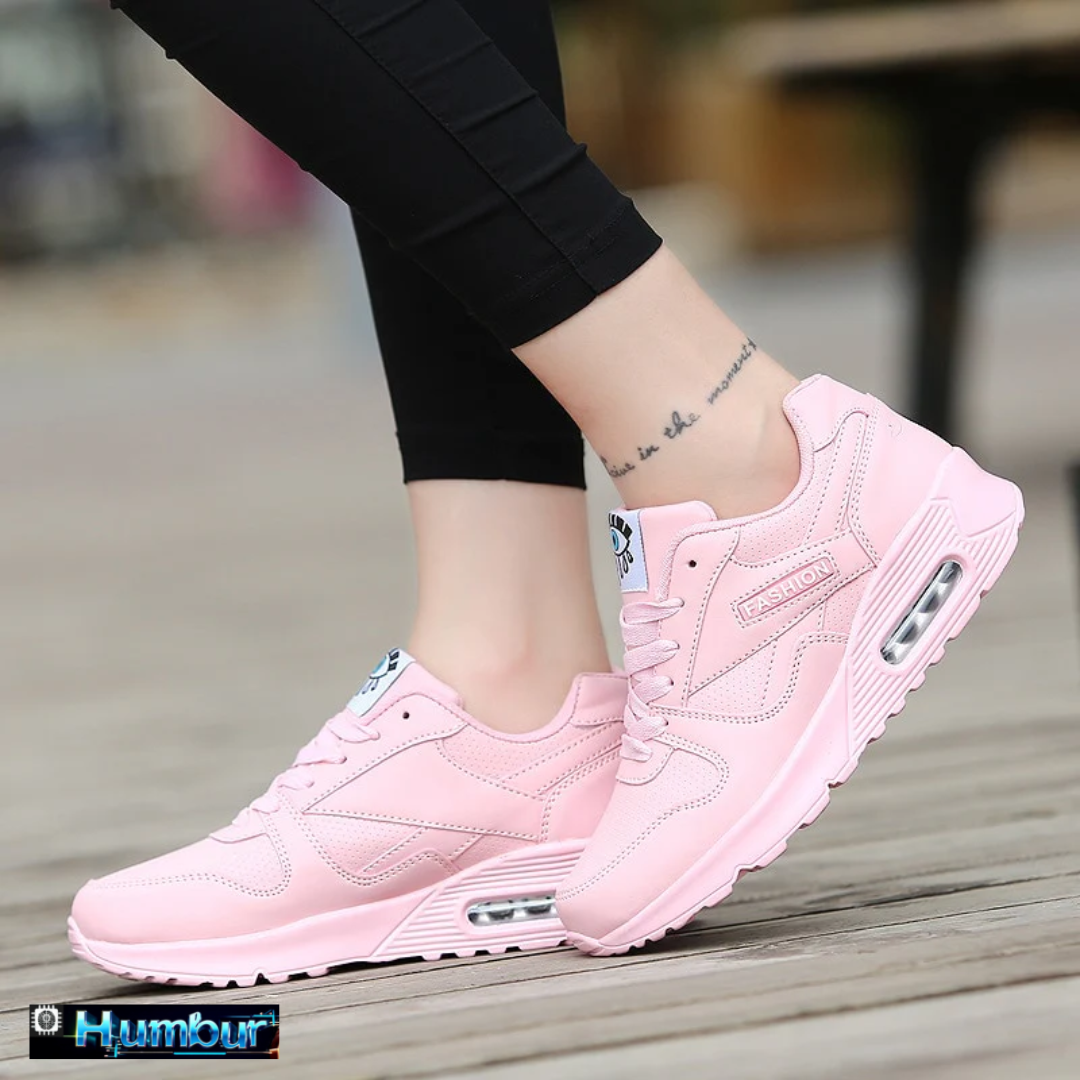
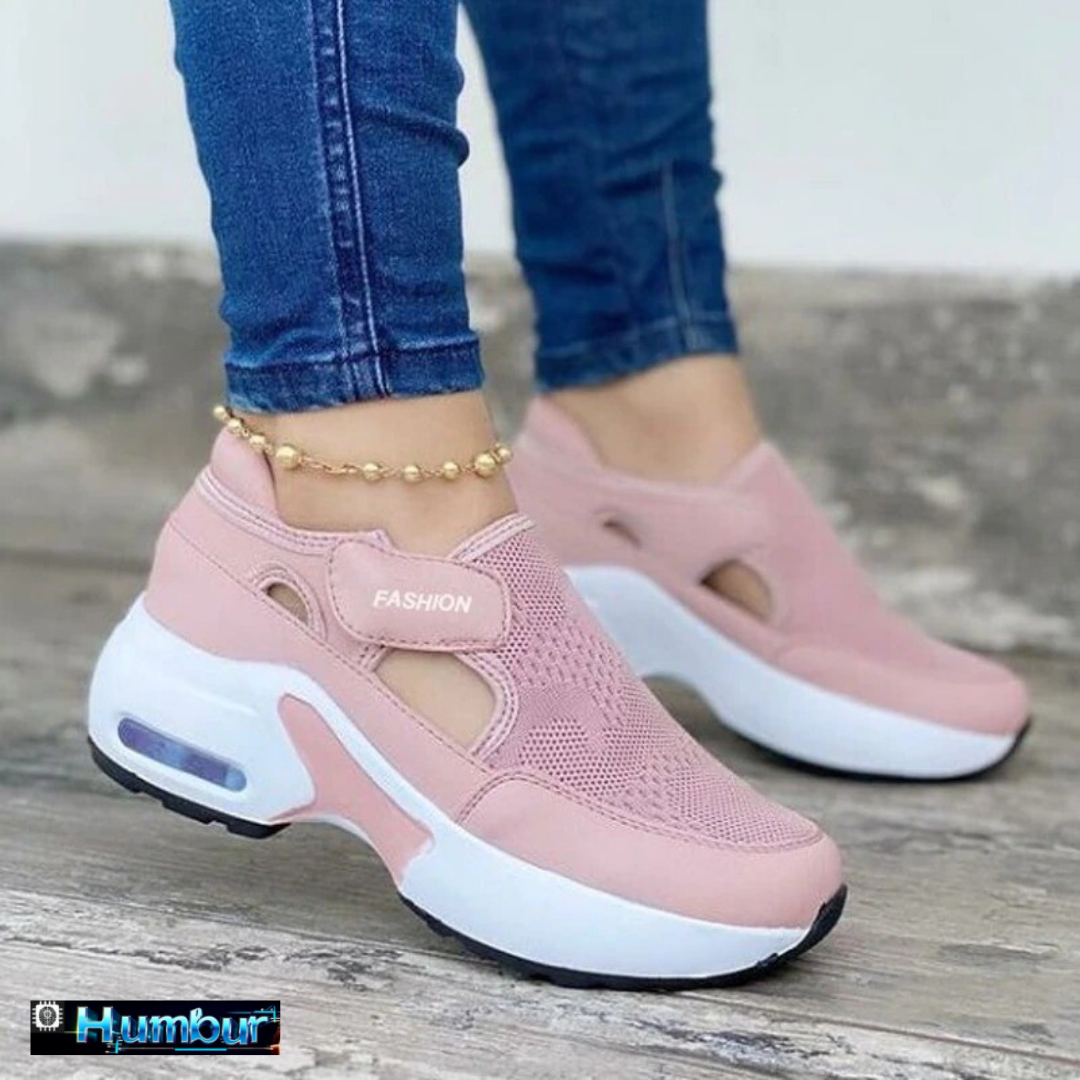
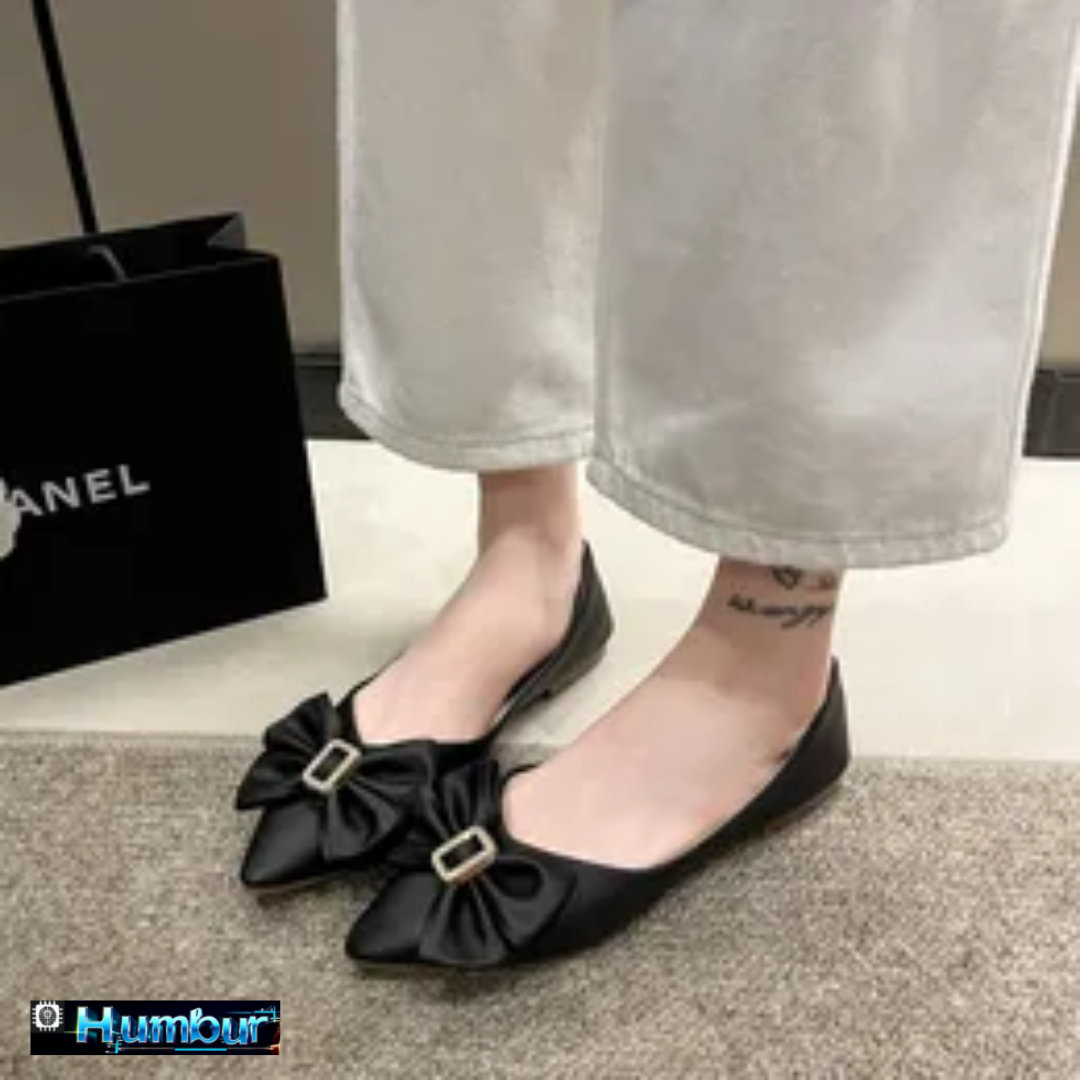
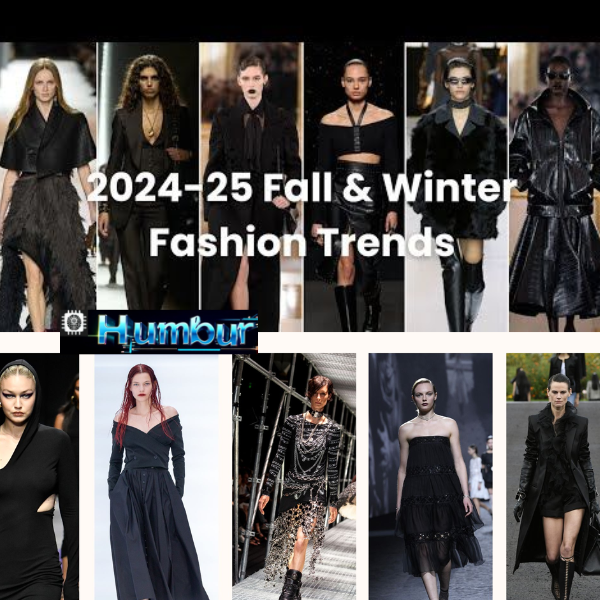
Have you ever walked into a clothing store and seen an entirely new collection just weeks after the last one? Or perhaps scrolled through your favorite
online shop only to find fresh styles at incredibly low prices? That’s the magic and the menace of fast fashion. Fast fashion is a term used to describe the
rapid production of cheap, trendy clothing that mimics current high fashion trends. While it may seem like a blessing for fashion lovers on a budget, it
hides a dark side one that involves environmental damage, exploitative labor practices, and a throwaway culture that is hard to sustain.
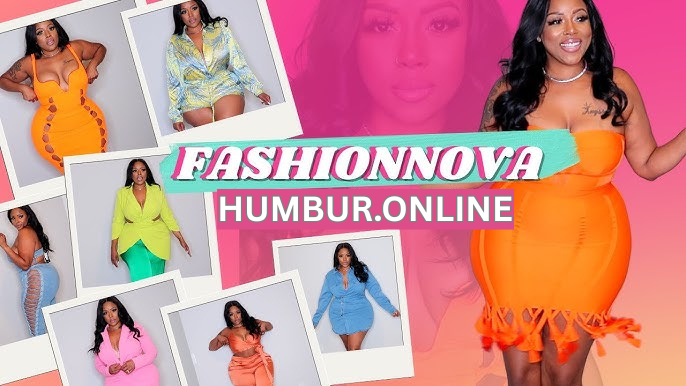
vibrant hub of style and creativitytrends meet timeless elegance.t’s a destination for fashion
What is Fast Fashion?
At its core, fast fashion refers to the business model where clothing manufacturers and retailers quickly design, produce, and sell garments at
breakneck speeds to meet the latest trends. Big brands like Zara, H&M, Forever 21, and Sheen are among the most well known players in the fast
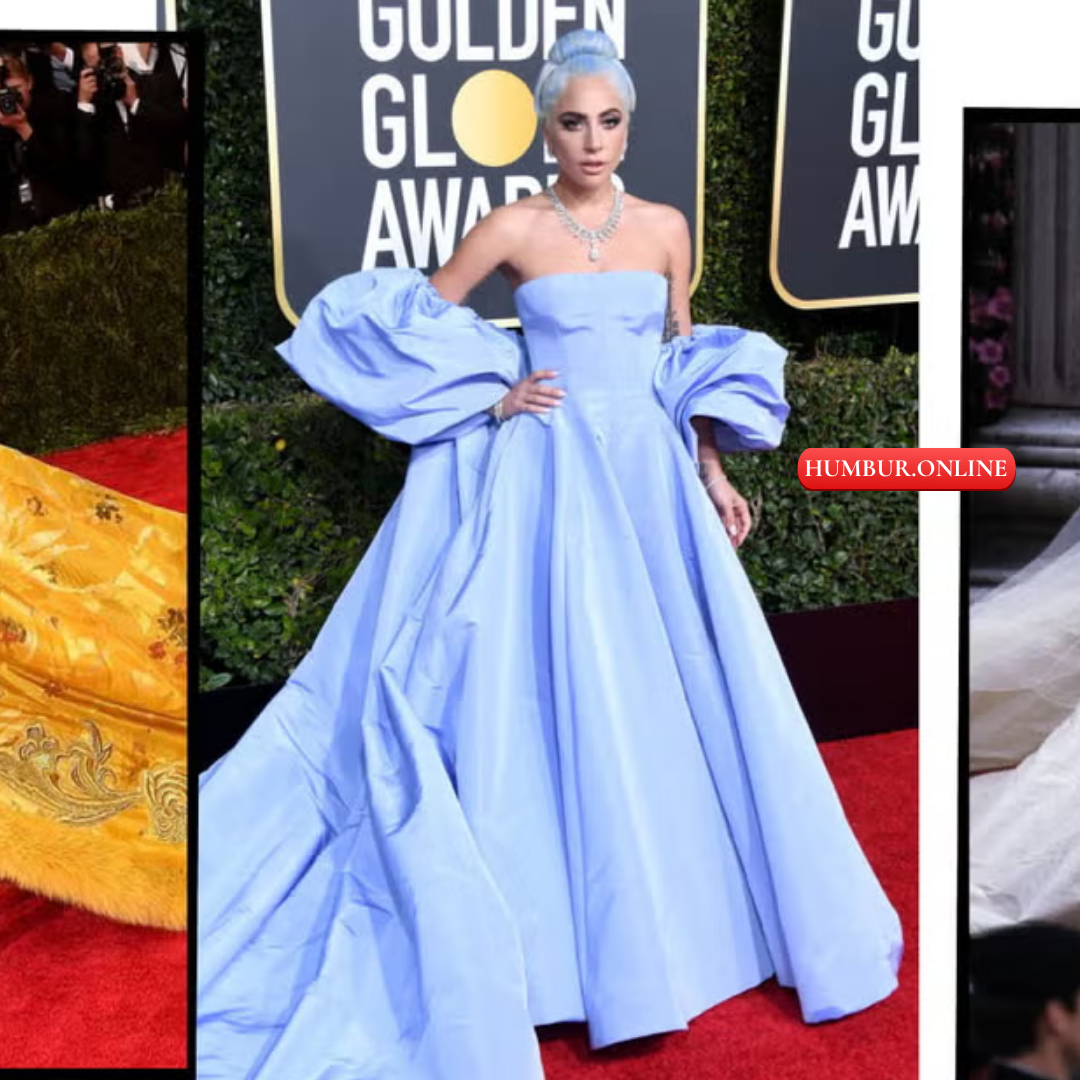
fashion game. These companies can take a new design seen on a celebrity or a runway and replicate it for the mass market in a matter of days or weeks.
This model relies on:
Cheap materials
Low-cost labor
Rapid production
High turnover of stock
It encourages consumers to constantly buy new clothes and discard the old ones even if they’re barely worn. This non stop cycle fuels the fashion
industry’s massive growth but also lays the foundation for some serious problems.
chic streetwear to classy formal looks, Fashion
Shore brings together diverse styles under making fashion accessible to everyone.
The Environmental Toll of Fast Fashion
One of the biggest criticisms of fast fashion is its environmental impact. The fashion industry is responsible for 10% of global carbon emissions,
making it one of the most polluting industries in the world.
Here’s why it’s a major issue:
Water Waste: Producing a single cotton shirt can require over 2,700 liters of water enough for one person to drink for two and a half years.
Chemical Pollution: The dyeing process uses thousands of harmful chemicals that often end up in rivers and oceans,
harming aquatic life and polluting water supplies.
Textile Waste: Fast fashion creates a mountain of textile waste. In many cases, garments are worn only a few times before being thrown away.
Globally, 92 million tons of textile waste are generated each year.
Synthetic Fibers: Many fast fashion items are made of polyester, a plastic-based material that sheds microplastics when washed.
These microplastics end up in our oceans, affecting marine ecosystems and even entering the human food chain.
Human Costs: The Hidden Price Tag
While the environmental damage is visible through statistics and news reports, the human cost of fast fashion is often hidden from view.
Many fast fashion brands outsource production to factories in developing countries where labor laws are weak or poorly enforced.
Workers often women and even children are paid very low wages and are forced to work long hours under unsafe conditions.
The 2013 Rana Plaza factory collapse in Bangladesh, which killed over 1,100 garment workers, was a tragic reminder of the
dangerous reality behind cheap clothing.
Common issues include:
Sweatshops with poor ventilation and limited breaks
Child labor in supply chains
No healthcare or job security
Intense pressure to meet unrealistic production deadlines
Consumers rarely see this side of the industry, but it is the backbone of the fast fashion empire.
Overconsumption and the Throwaway Culture
One of the side effects of fast fashion is how it changes our mindset toward clothing. With low prices and constantly changing collections,
people are encouraged to buy more, more often. Clothes are no longer considered an investment but a disposable commodity.
The result?
Clothes that are worn just once or twice.
Overflowing landfills filled with unwanted garments.
A society that values quantity over quality.
This throwaway culture has long-term consequences not just for the environment but also for our personal finances and mental wellbeing.
Studies show that people who consume fashion at high rates are less satisfied with their purchases and more likely to suffer from anxiety and decision fatigue.
Ethical Concerns and Cultural Theft
Fast fashion isn’t just an environmental or labor issue it also raises questions of ethics and cultural sensitivity. Many brands have been called out for:
Copying designs from small or independent designers without giving credit.
Cultural appropriation, where traditional attire is used for profit without understanding or respecting its cultural significance.
Such practices not only stifle creativity but also damage the trust between brands and the public. In the age of social media,
these wrongdoings are increasingly exposed but change is still slow.
Can Fast Fashion Be Fixed?
Fixing fast fashion isn’t easy. The business model itself is built around cheap production and rapid turnover, so reforming it requires
system wide change. However, there are ways to reduce its impact:
Slow Fashion Movement: Support brands that produce fewer, better-quality items.
Sustainable Materials: Encourage the use of organic cotton, hemp, and recycled fabrics.
Transparency: Push for brands to disclose their supply chains and labor practices.
Recycling Programs: Promote textile recycling, upcycling, and second-hand shopping.
Consumer Awareness: Educate shoppers on the real cost of a $5 t-shirt.
Governments and companies must also play a role by enforcing labor laws, regulating pollutants,
and incentivizing sustainable business models.
What Can You Do as a Consumer?
You don’t need to give up fashion to make a difference. Small changes in your shopping habits can add up:
Buy less, choose well: Invest in pieces you’ll wear for years.
Support ethical brands: Look for fair trade or sustainable certifications.
Shop second-hand: Thrift stores and online platforms like Depp or Postmark offer stylish, eco-friendly options.
Repair, don’t replace: Learn basic mending skills to extend the life of your clothes.
Ask questions: Where was this made? Who made it? Is it worth it?
Being a mindful consumer helps break the fast fashion cycle one purchase at a time.
Conclusion: Style Doesn’t Have to Come at a Cost
Fast fashion may satisfy our craving for trendy, affordable clothing, but it comes at a devastating price for the planet, for workers, and for future generations.
As awareness grows, so does the opportunity to make better choices. Fashion can be fun, expressive, and affordable without being exploitative or harmful.
By shifting toward sustainability and accountability, we can transform the fashion industry into something that not only looks good but does good too.
After all, true style is timeless and so is responsibility.