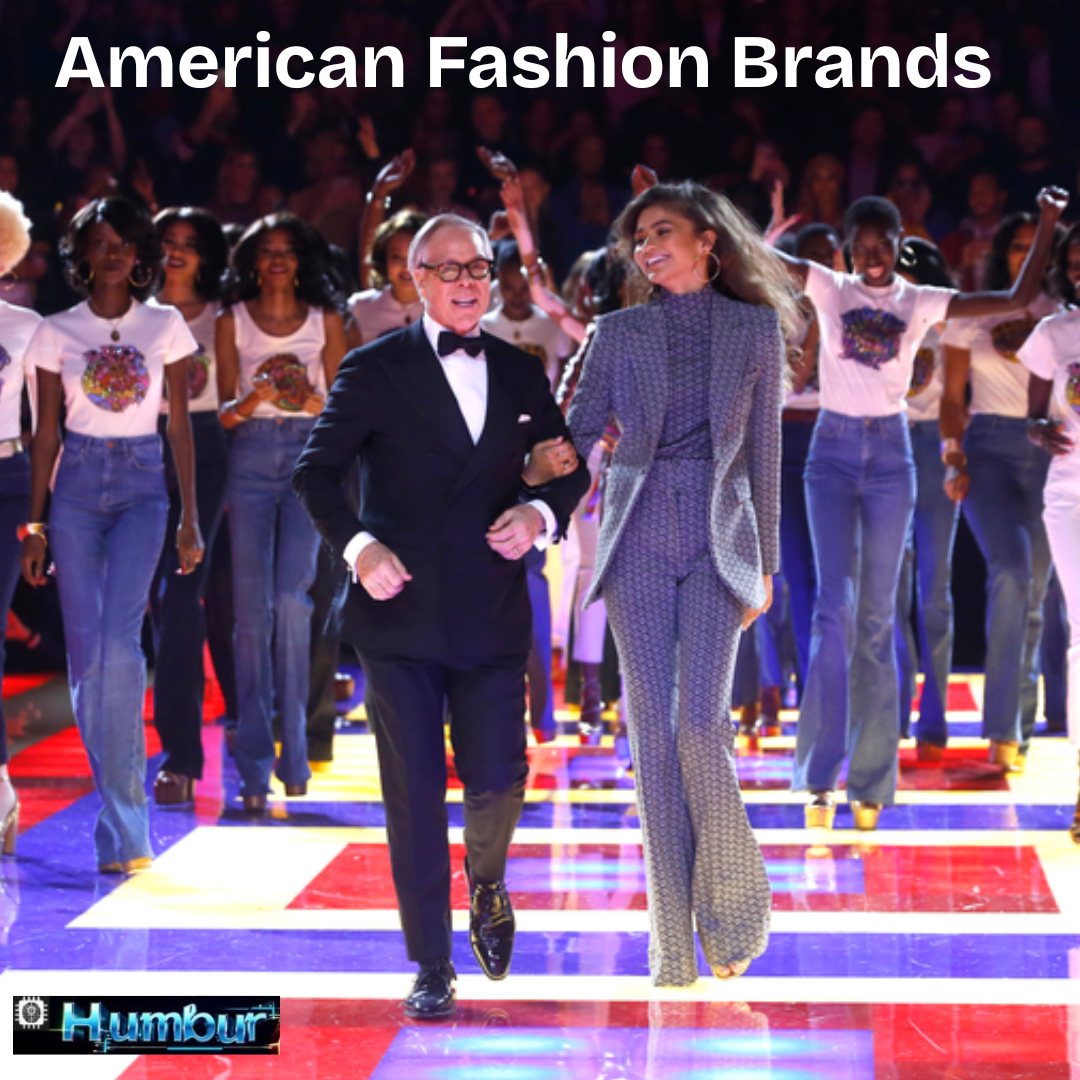
American Fashion Brands
Introduction: Where Style Meets Identity
American fashion is more than just clothing; it’s a cultural statement, a symbol of freedom, and a canvas for self expression. From the gritty streets of New York City to the sunny boardwalks of California, American fashion brands have carved a unique identity that reflects the nation’s diversity, rebellion, innovation, and effortless cool. These brands don’t just create garments they create movements. In this article, we explore some of the most iconic American fashion brands, their legacy, their impact, and how they continue to shape global fashion trends.
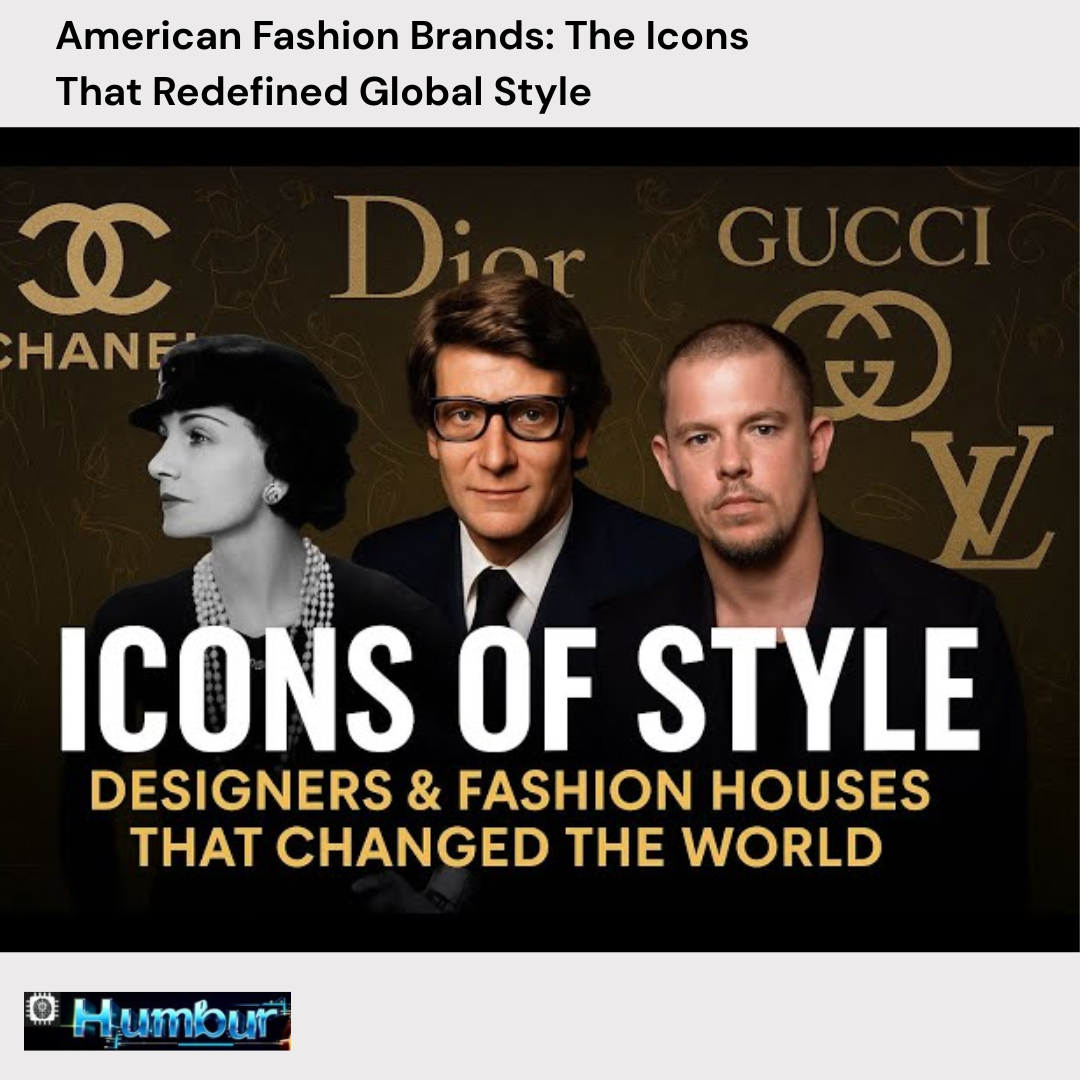
American Fashion Brands: The Icons That Redefined Global Style
American fashion brands have long held the power to shape not only wardrobes but entire cultural movements. These brands represent more than trends they reflect the country’s values of individuality, freedom, and innovation. From the polished sophistication of Ralph Lauren to the rebellious spirit of Supreme, each label tells a unique story of American identity. Whether it’s the timeless denim of Levi’s or the sleek minimalism of Calvin Klein, these icons have set the standard for global style, blending heritage with a forward-thinking edge. As fashion continues to evolve, American brands remain at the forefront, constantly redefining what it means to dress with confidence,
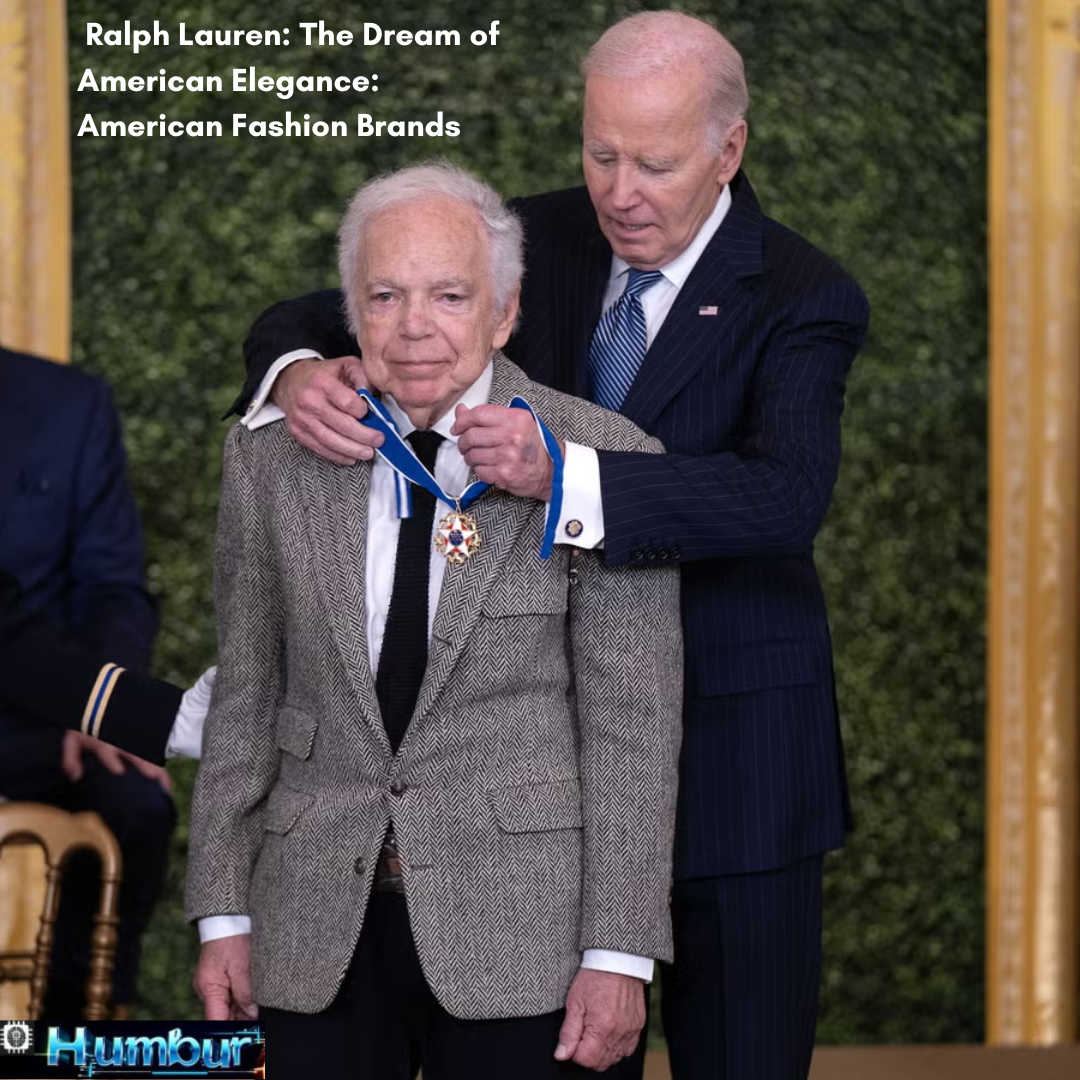
1. Ralph Lauren: The Dream of American Elegance: American Fashion Brands
Few names resonate with American fashion like Ralph Lauren. Founded in 1967, Ralph Lauren introduced the world to the concept of “American luxury”, combining East Coast prep with Western charm. Think polo shirts, horse bit belts, and perfectly tailored blazers. The brand isn’t just about clothes it’s a lifestyle. Ralph Lauren painted a picture of aspirational living: sprawling ranches, Ivy League charm, and vintage convertibles. What made it stick? Its timeless appeal. Whether you’re in Tokyo or Paris, a Ralph Lauren polo still whispers “class.”
2. Levi’s: The Denim Revolution
No conversation about American fashion is complete without Levi Strauss & Co. This brand practically invented denim culture. In the mid-1800s, Levi’s jeans were born as rugged workwear for gold miners. Today, they’re a global fashion staple. From cowboys and punks to hip-hop artists and fashionistas, Levi’s has been worn by every generation. The 501 jeans? Iconic. The brand’s commitment to sustainability, including water saving practices and ethical sourcing, shows that heritage and innovation can go hand in hand.

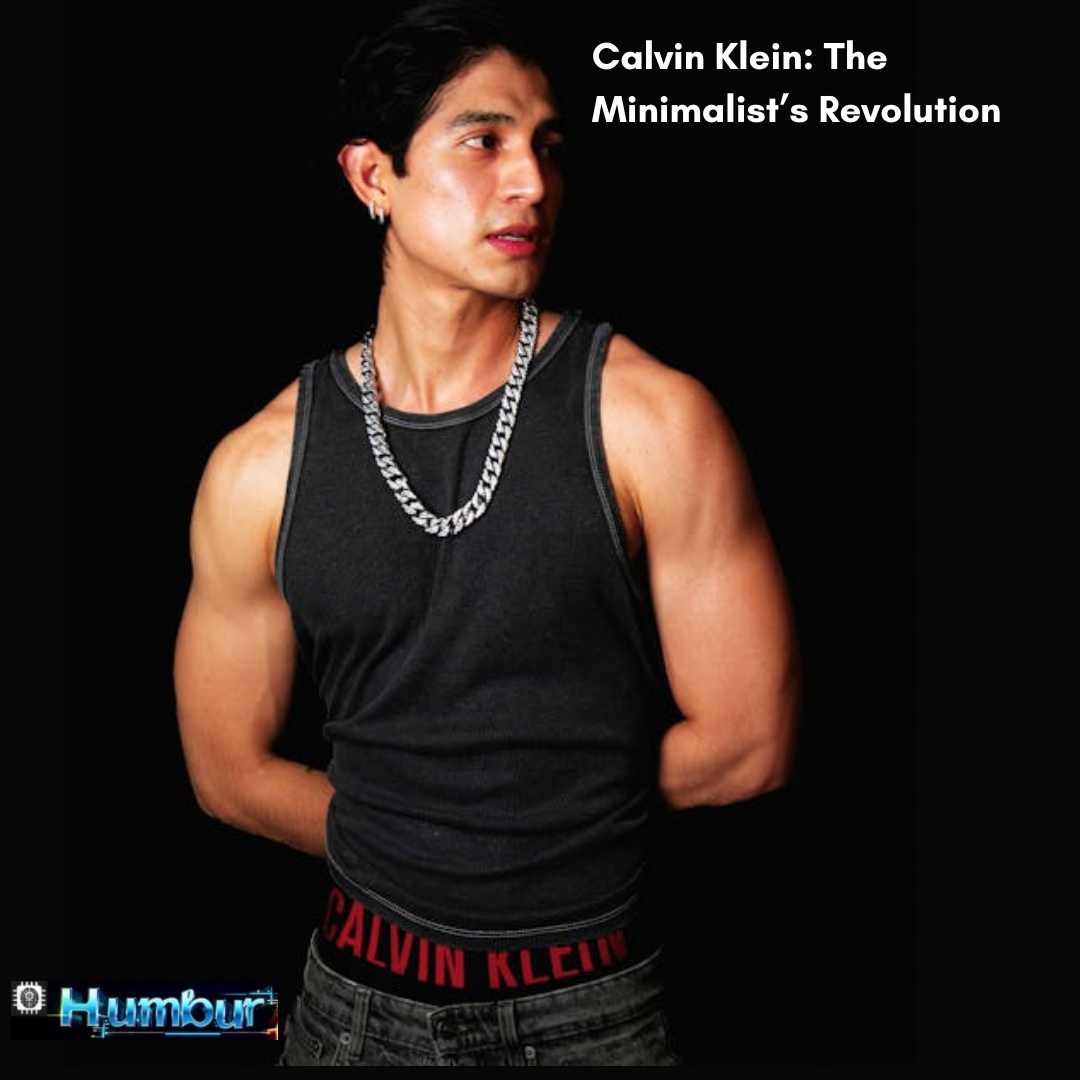
3. Calvin Klein: The Minimalist’s Revolution
In the late ’80s and ’90s, Calvin Klein changed the game with minimalist aesthetics and provocative advertising. Who could forget the legendary black and white ads featuring Kate Moss and Mark Wahlberg? It wasn’t just underwear it was a statement. Calvin Klein redefined how we view basics. Clean lines, sharp cuts, and simplicity became the new sexy. The brand’s fragrances and denim collections pushed its image even further, becoming a symbol of the cool, urban youth of America.
4. Tommy Hilfiger: The Red, White, and Blue Cool
Tommy Hilfiger brought patriotic flair to American fashion in the ’90s, mixing prep school vibes with hip hop culture. With oversized logos, bold colors, and a strong American flag presence, Tommy’s collections were everywhere from suburban malls to MTV. Artists like Aaliyah and Snoop Dogg made the brand synonymous with street credibility. Today, Tommy Hilfiger continues to evolve with inclusive sizing, collaborations, and a revived presence in Gen Z fashion trends.

5. Michael Kors: Accessible Luxury
Michael Kors mastered the middle ground between designer exclusivity and department store accessibility. With his ready-to-wear lines, handbags, and watches, Kors made it possible for the everyday American to enjoy a touch of luxury. Best known for its jet-set image, the brand captures a glamorous yet approachable aesthetic. From runways to outlets, Michael Kors has built a global empire without losing its distinctly American charm.

6. Off White (Founded by American Designer Virgil Abloy): Where Streetwear Meets Art
Though technically based in Milan, Off White was born from the mind of American designer Virgil Abloy, who redefined the relationship between streetwear and high fashion. Abloy, who also served as artistic director for Louis Vuitton Men’s, used Off White as a platform to challenge traditional fashion narratives. From zip ties to quotation mark branding, his designs carried cultural weight. It’s American in spirit radical, rebellious, and rooted in youth.

7. Tory Burch: Feminine and Empowering
Launched in 2004, Tory Burch quickly became a household name. Known for its signature Reva ballet flats, elegant tunics, and bold prints, the brand balances bohemian luxury with modern femininity. But what sets Burch apart is her commitment to women’s empowerment through the Tory Burch Foundation, supporting female entrepreneurs. It’s a brand with heart and it shows in both fashion and philosophy.

8. Supreme: The Skate Brand Turned Luxury
Supreme started in New York in 1994 as a skate shop and exploded into a global phenomenon. With limited drops, cult-like following, and collaborations with everyone from Nike to Louis Vuitton, Supreme blurred the line between streetwear and luxury. Its box logo is instantly recognizable. And its influence? Unmatched. Supreme changed how brands release collections, how consumers chase exclusivity, and how hype culture dominates fashion.

9. Kate Spade: Playful Sophistication
The late Kate Spade gave the fashion world a burst of color and quirk. Launched in the ’90s with just a few handbags, the brand quickly became known for its playful yet polished style. With witty slogans, joyful palettes, and approachable luxury, Kate Spade spoke to women who wanted elegance without taking themselves too seriously. It’s a reminder that fashion can be fun and powerful.

10. The Row: Quiet Luxury by Olsen Twins
Mary-Kate and Ashley Olsen’s label, The Row, might not scream “America” in loud logos, but it’s a symbol of a new kind of American fashion one that values craftsmanship, minimalism, and understated elegance. The Row is all about quality over quantity, a philosophy that aligns with the rising trend of slow fashion. With tailored coats, elevated basics, and luxury fabrics, it proves that sometimes, less really is more.

American Fashion: Beyond the Runway
American fashion brands are more than businesses. They’re storytellers. Each stitch, logo, and runway show reflects the values, struggles, and aspirations of the American people. Whether it’s the working class grit of Levi’s, the bold defiance of Supreme, or the refined vision of Ralph Lauren, each brand tells a piece of America’s larger fashion narrative. In a world increasingly focused on sustainability, diversity, and inclusivity, these brands are adapting. They’re hiring diverse models, promoting ethical production, and engaging with global audiences. It’s clear: American fashion isn’t just surviving it’s evolving.

You May Also Like
What is Considered Fast Fashion
How to Contact Fashion Nova
