What is Considered Fast Fashion
Fast fashion is a term that has become increasingly familiar in the world of style and consumer culture. You may have seen it used in documentaries,
heard it in conversations, or read about it in fashion blogs. But what does it truly mean, and why is it such a big deal in today’s world? In this article,
we’ll take a close look at what fast fashion really is, how it works, the brands associated with it, its impact on the world, and how it affects both people
and the planet. Understanding fast fashion helps us make better choices not just in our wardrobes, but in how we impact the world.
Fast fashion is a term that has become increasingly familiar in the world of style and consumer culture. You may have seen it used in documentaries,
heard it in conversations, or read about it in fashion blogs. But what does it truly mean, and why is it such a big deal in today’s world? In this article,
we’ll take a close look at what fast fashion really is, how it works, the brands associated with it, its impact on the world, and how it affects both people
and the planet. Understanding fast fashion helps us make better choices not just in our wardrobes, but in how we impact the world.
Fast fashion is a term that has become increasingly familiar in the world of style and consumer culture. You may have seen it used in documentaries,
heard it in conversations, or read about it in fashion blogs. But what does it truly mean, and why is it such a big deal in today’s world? In this article,
we’ll take a close look at what fast fashion really is, how it works, the brands associated with it, its impact on the world, and how it affects both people
and the planet. Understanding fast fashion helps us make better choices not just in our wardrobes, but in how we impact the world.
What is Fast Fashion?
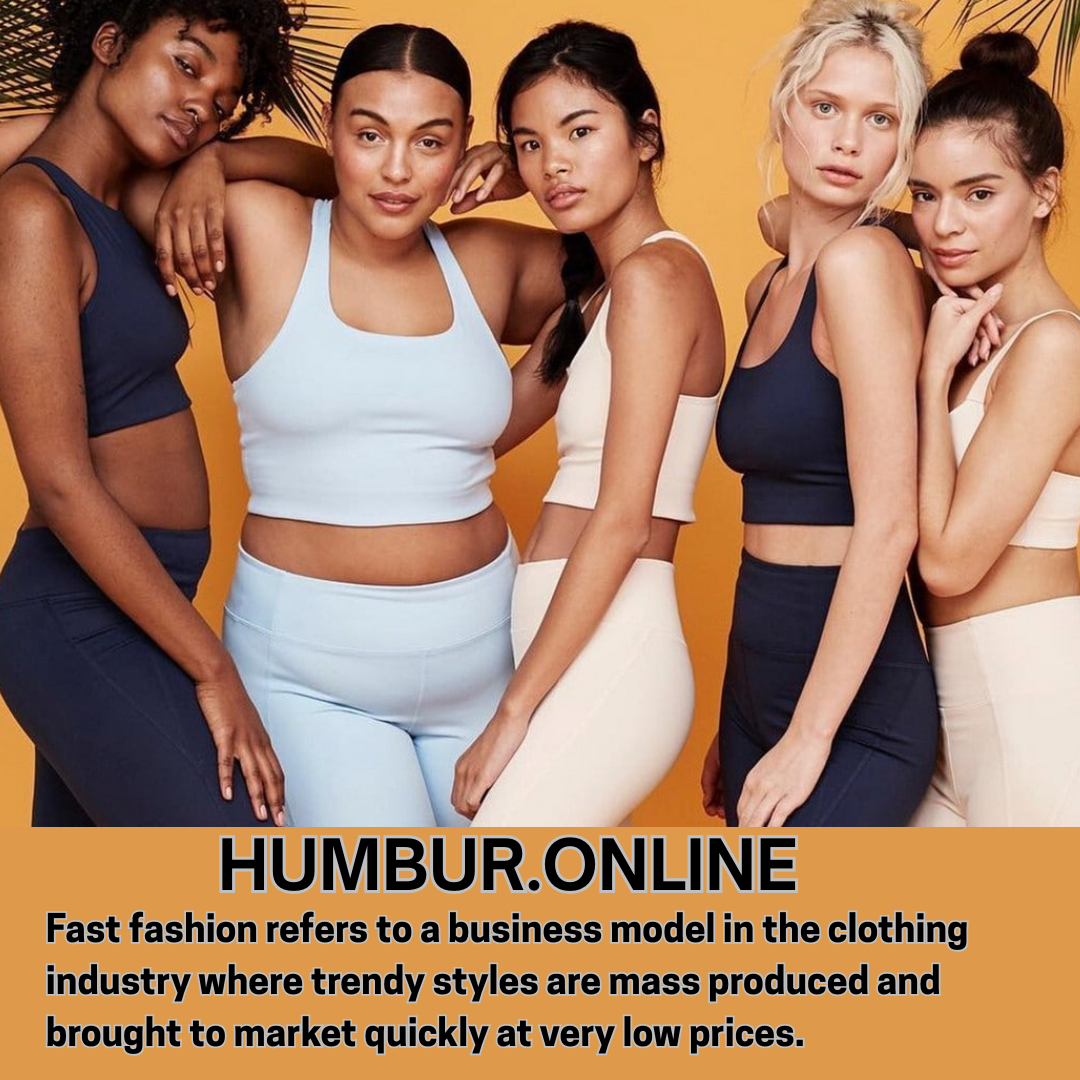
Fast fashion refers to a business model in the clothing industry where trendy styles are mass produced and brought to market quickly at very low prices.
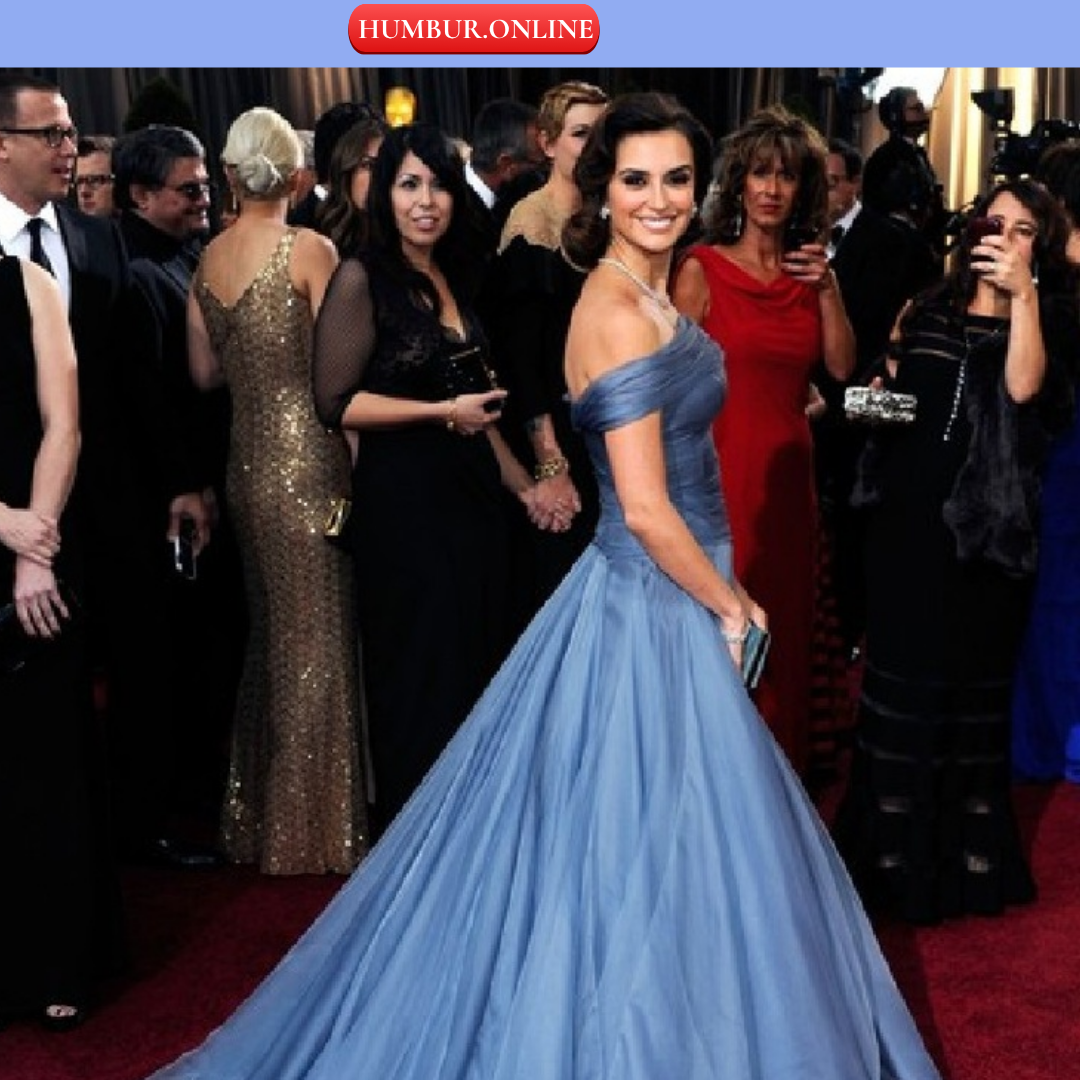
The term describes how clothing companies replicate fashion runway trends or celebrity styles and push them into stores within days or weeks.
These clothes are usually cheap to make, often of lower quality, and designed not to last long. This model encourages consumers to buy more
clothes more often, feeding a cycle of constant buying and discarding. The phrase “fast fashion” is similar to “fast food” easy to get, cheap,
and available in abundance, but not necessarily good for you or the environment.
Origins and Rise of Fast Fashion
Fast fashion began rising in the late 1990s and early 2000s when clothing brands like Zara, H&M, and Forever 21 started speeding
up their supply chains. They used cheaper materials and outsourced manufacturing to developing countries with lower labor costs.
Before this, fashion followed a seasonal model: designers released new collections only a few times a year. With fast fashion, brands
started offering new items every week or two. Consumers began to expect new clothing options constantly, and shopping became
more of a hobby than a necessity.
Key Features of Fast Fashion
To better understand what’s considered fast fashion, here are some of its main features:
-
Rapid Production Cycles
Fast fashion brands produce clothing quickly sometimes within just a few weeks of seeing a trend.
-
Low Prices
These clothes are priced low so consumers are more likely to buy often. A shirt may cost less than a meal.
-
Poor Quality Materials
Cheap fabrics like polyester and blends are used, which makes clothing less durable.
-
Mass Production
Items are made in large quantities to maximize profits and reduce per-unit cost.
-
Trend-Driven
Designs are based on current trends, celebrity outfits, or viral social media looks.
-
Short Lifespan
These clothes are not meant to last. After a few washes, they may fade, shrink, or lose shape.
The Impact of Fast Fashion
1. Environmental Impact
Fast fashion has a serious effect on the environment. Here’s how:
-
Water Waste: Producing a single cotton shirt can take over 2,700 liters of water.
-
Textile Waste: Millions of tons of clothing are thrown away every year,
-
ending up in landfills or incinerators.
-
Pollution: Factories release dyes and chemicals into rivers,
-
and synthetic fabrics like polyester release microplastics into the oceans.
-
Carbon Footprint: Shipping clothes around the world and running huge
-
factories generates greenhouse gases, contributing to climate change.
2. Human Cost
Behind those cheap clothes are often workers in developing countries who are paid
low wages and work in unsafe conditions.
Low Wages: Many garment workers earn less than the legal minimum wage.
Poor Working Conditions: Factories are often overcrowded, under regulated, and lack basic safety standards.
Child Labor: In some regions, children are involved in sewing or dyeing clothes to meet demand.
3. Consumer Culture
Fast fashion encourages overconsumption. Many people now buy clothes they don’t really need,
wear them once or twice, and toss them away.
-
Shopping Addiction: Constant sales and new arrivals keep people coming back.
-
Devaluation of Clothing: Clothes are no longer valued or cared for.
-
If it rips, we throw it away instead of fixing it.
-
Trendy Over Timeless: Fashion becomes a race instead of an art form.
-
People focus more on staying trendy than expressing personal style.
The Slow Fashion Movement
As a response to fast fashion, a growing number of people are turning toward slow fashion.
This movement encourages:
Buying fewer, better-quality items
Choosing sustainable or ethical brands
Recycling or upcycling old clothing
Supporting local designers and second-hand stores
Slow fashion focuses on durability, ethics, and environmental respect.
It values people, the planet, and lasting style over fleeting trends.
How to Spot Fast Fashion
If you’re unsure whether a brand is fast fashion, look for these signs:
New styles every week
Ultra low prices (like $5 shirts)
Cheap materials like polyester or acrylic
Poor craftsmanship (loose threads, bad stitching)
No transparency about where or how clothes are made
If a brand can’t tell you who made your clothes, it may be hiding something.
What You Can Do
Even if you’ve bought fast fashion before (most of us have), you can make better choices going forward:
-
Buy Less, Choose Wisely Ask yourself: “Will I wear this 30 times?” If not, skip it.
-
Support Ethical Brands Many new brands are focusing on sustainability and fair labor.
-
Thrift and Swap Buy second hand or organize clothing swaps with friends.
-
Take Care of What You Own Wash clothes with care, mend them, and avoid waste.
-
Educate Others Talk about fast fashion with friends or share content online.

Conclusion
Fast fashion is more than just a business model it’s a cultural trend with far reaching consequences. While it offers quick and cheap access to fashion,
the hidden costs are significant: pollution, poor working conditions, and massive textile waste. Understanding what is considered fast fashion helps us
take a step back from this cycle of overconsumption. By becoming more thoughtful about what we wear, how it’s made, and who makes it,
we can begin to build a more ethical, sustainable, and stylish future one outfit at a time.
Post Views: 37