
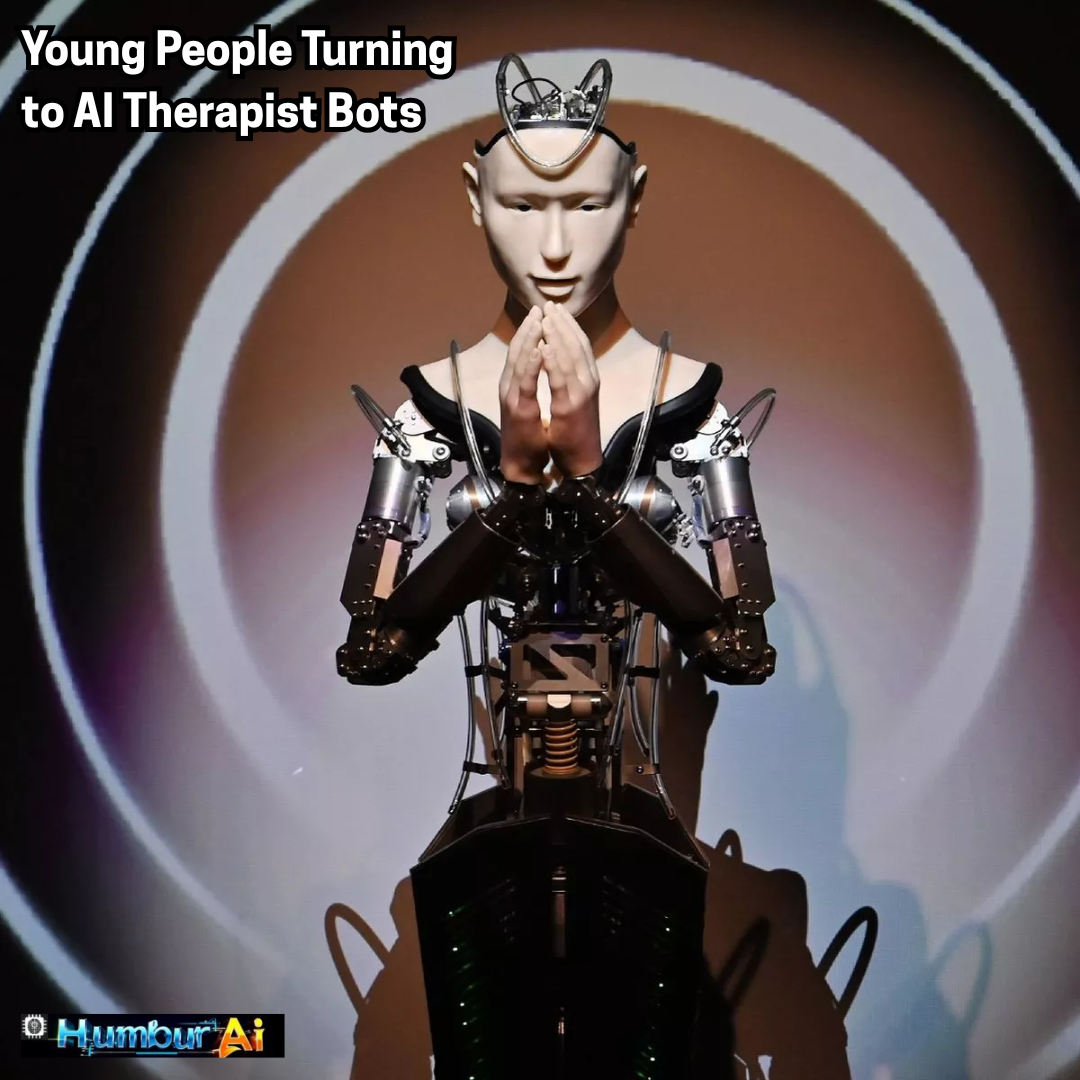
Character. AI : Young People Turning to AI Therapist Bots.
Introduction.
Mental health has emerged as a major concern for young people all over the world in an era marked by rapid technological advancements and shifting social dynamics. The pressures of modern life ranging from academic stress and career uncertainties to social media overload and global crises have amplified the need for accessible mental health support. However, traditional therapy often comes with barriers such as high costs, stigma, and limited availability of professionals. Enter Character.AI, a platform that has gained significant traction among younger generations for its innovative approach to mental health: AI powered therapist bots. These conversational AI models, designed to simulate human like interactions, are reshaping how young people address their emotional and psychological needs. This article explores the rise of Character.AI, its appeal to young users, the benefits and limitations of AI therapy, and the broader implications for mental health care.
The Rise of Character. AI.
Character.AI, founded by former Google researchers, is a platform that allows users to create and interact with AI powered characters. These characters range from fictional personas and historical figures to specialized bots designed for specific purposes, such as mental health support. Unlike traditional chatbots, Character.AI leverages advanced natural language processing (NLP) models to deliver highly personalized and contextually aware conversations. Launched in 2022, the platform quickly gained popularity, particularly among Gen Z and younger millennials, who are drawn to its accessibility and versatility.
The appeal of Character.AI lies in its ability to provide instant, 24/7 access to conversational agents that can mimic the tone and empathy of a human therapist. These AI therapist bots provide young people, who are frequently digital natives who are familiar with technology, with a low-risk, non-judgmental setting in which they can discuss their emotions, express their frustrations, or seek advice. By 2025, Character.AI has reportedly amassed millions of active users, with a significant portion engaging with its mental health focused bots, such as those designed to provide emotional support, mindfulness exercises, or coping strategies for anxiety and depression.
Why Young People Are Turning to AI Therapist Bots.
Accessibility and Affordability.
One of the primary reasons young people are flocking to AI therapist bots is their accessibility. Traditional therapy often involves long waitlists, especially in regions with a shortage of mental health professionals. The American Psychological Association, for instance, has observed a persistent discrepancy between the supply of licensed therapists and the demand for therapy. For many young people, particularly students or those in low-income brackets, the cost of therapy often ranging from $100 to $200 per session can be prohibitive. Character.AI, on the other hand, makes its platform accessible to those who cannot afford traditional mental health services for free or at a low cost, making it an appealing alternative.
Moreover, AI therapist bots are available at any time, eliminating the need to schedule appointments or navigate logistical barriers. This immediacy is particularly appealing to young people who may experience emotional distress outside of typical office hours or in moments of acute need. The ability to access support instantly, whether at 2 a.m. or during a lunch break, aligns with the fast paced, on demand nature of modern life.

Reducing Stigma.
Mental health stigma remains a significant barrier, particularly for young people who may fear judgment from peers, family, or even therapists. AI therapist bots provide a private, anonymous space where users can express themselves without fear of being judged or misunderstood. For many, the absence of a human on the other end of the conversation reduces the anxiety associated with opening up about sensitive topics, such as trauma, self-esteem issues, or relationship struggles.
The anonymity of AI interactions also appeals to young people in conservative or culturally restrictive environments, where discussing mental health may be taboo. By engaging with a bot, users can explore their emotions and seek guidance without worrying about societal repercussions or breaches of confidentiality.
Customization and Personalization.
Users can personalize the AI therapist bot’s personality, tone, and approach using the Character.AI platform, which lets them do so. For instance, users can choose a bot with a warm, nurturing demeanor or one that takes a more direct, solution-focused approach. This level of personalization makes the experience feel more relevant and engaging, particularly for younger users accustomed to curating their digital experiences.
The platform’s adaptability to individual user requirements also adds to its appeal. AI therapist bots can learn from previous conversations, remembering user preferences and providing continuity in support. For example, a user struggling with social anxiety might receive tailored coping strategies, such as breathing exercises or cognitive reframing techniques, based on their prior interactions with the bot.

Benefits of AI Therapist Bots.
Immediate Emotional Support.
One of the most significant advantages of AI therapist bots is their ability to provide immediate emotional support. Young people often face moments of intense stress or emotional turmoil, and having a tool that can respond instantly with empathy and practical advice can be a lifeline. For instance, a user experiencing a panic attack might interact with a bot that guides them through grounding techniques or offers words of reassurance. This immediacy can help de-escalate crises and provide a sense of control.
Skill Building and Psychoeducation.
AI therapist bots often incorporate evidence-based techniques from therapeutic modalities such as cognitive behavioral therapy (CBT), dialectical behavior therapy (DBT), and mindfulness-based approaches. Young people can acquire practical skills for stress management, emotion regulation, and mental resilience by interacting with these bots. A bot, for instance, might empower a user to take an active role in their mental health by teaching them how to challenge negative thought patterns or practice gratitude journaling. In addition, these bots can offer psychoeducation, assisting users in comprehending their mental health conditions and the causes of their distress. This educational component is particularly valuable for young people who may lack access to reliable mental health resources or who are navigating their mental health for the first time.
Scalability and Reach.
Unlike human therapists, who are limited by time and geography, AI therapist bots can scale to meet the needs of millions of users simultaneously. This scalability makes them a powerful tool for addressing the global mental health crisis, particularly in underserved areas where access to care is limited. For young people in rural or remote regions, or those in countries with underdeveloped mental health infrastructure, AI bots offer a viable alternative to traditional services.

Limitations and Ethical Concerns.
While AI therapist bots offer significant benefits, they are not without limitations. Understanding these challenges is crucial for assessing their role in mental health care.
Lack of Human Empathy and Nuance.
Despite advancements in NLP, AI therapist bots cannot fully replicate the empathy, intuition, and nuanced understanding of a human therapist. Human therapists draw on years of training, personal experience, and emotional intelligence to navigate complex emotional landscapes, picking up on subtle cues such as tone of voice or body language. AI bots, while capable of simulating empathy, rely on algorithms and pre-programmed responses, which may feel mechanical or inadequate in certain situations.
For example, a user discussing a deeply traumatic experience may find an AI’s responses overly generic or lacking the emotional depth needed to feel truly understood. This limitation raises questions about the appropriateness of AI bots for addressing severe mental health conditions, such as major depressive disorder or post-traumatic stress disorder (PTSD).

Risk of Overreliance.
Another concern is the potential for young people to become overly reliant on AI therapist bots, potentially delaying or avoiding professional help. While bots can provide immediate support and coping strategies, they are not a substitute for comprehensive mental health care. For individuals with serious mental health conditions, such as suicidal ideation or psychosis, AI bots may not be equipped to provide the level of intervention required. There is also a risk that users may misinterpret the bot’s capabilities, believing it can fully replace human therapy.
To mitigate this, platforms like Character.AI often include disclaimers urging users to seek professional help for serious issues. However, the effectiveness of these disclaimers depends on users’ willingness to follow through, which may be challenging for those already hesitant to engage with traditional mental health services.
Privacy and Data Security.
Privacy is a significant concern when it comes to AI therapist bots. Young people often share deeply personal information with these bots, including details about their mental health, relationships, and life experiences. While Character.AI and similar platforms emphasize data security, the risk of data breaches or misuse remains a concern. Additionally, the use of user data to train AI models raises ethical questions about consent and transparency. Young users, who may not fully understand the implications of sharing personal information, could be particularly vulnerable.
Cultural and Contextual Limitations.
AI therapist bots may struggle to account for cultural, social, or contextual factors that influence mental health. For instance, a bot trained on data from Western populations may not fully understand the cultural nuances of a user from a different background, potentially leading to inappropriate or irrelevant responses. This limitation is particularly relevant for young people from marginalized or minority communities, who may face unique challenges that require culturally sensitive support.

The Future of AI in Mental Health.
Character.AI and other platforms like it point to a larger trend toward incorporating technology into mental health care. We can anticipate that therapist bots will become more sophisticated with enhanced emotional intelligence, cultural competence, and integration with other mental health tools as AI technology continues to advance. For example, future iterations of AI bots may incorporate multimodal capabilities, such as analyzing voice tone or facial expressions, to provide more nuanced support.
Additionally, partnerships between AI platforms and mental health organizations could enhance the credibility and effectiveness of these tools. For instance, Character.AI could collaborate with licensed therapists to develop bots that adhere to evidence based practices or provide seamless referrals to human professionals when needed.
However, the widespread adoption of AI therapist bots also raises important questions about regulation and oversight. Should AI therapy platforms be subject to the same standards as human therapists? How can we ensure that these tools are safe, effective, and equitable? Policymakers, mental health professionals, and tech developers will need to work together to establish guidelines that balance innovation with ethical responsibility.
The Broader Implications.
The popularity of AI therapist bots among young people reflects a broader cultural shift toward embracing technology as a tool for self improvement and emotional well-being. For many, these bots represent a democratizing force, making mental health support more accessible and inclusive. However, they also highlight the urgent need to address systemic gaps in mental health care, such as the shortage of therapists and the high cost of services.
For young people, AI therapist bots are more than just a technological novelty they are a lifeline in a world where mental health challenges are increasingly prevalent. By offering a safe, accessible, and personalized way to navigate emotional distress, platforms like Character.AI are empowering a generation to take control of their mental health. Yet, as we move forward, it is critical to approach this technology with caution, ensuring that it complements rather than replaces human connection and professional care.



You May Also Like

What Color Lipstick is in Fashion ?

Google Veo 3 vs. Hailuo AI Which Stole Hollywood’s Crown in 2025?”